
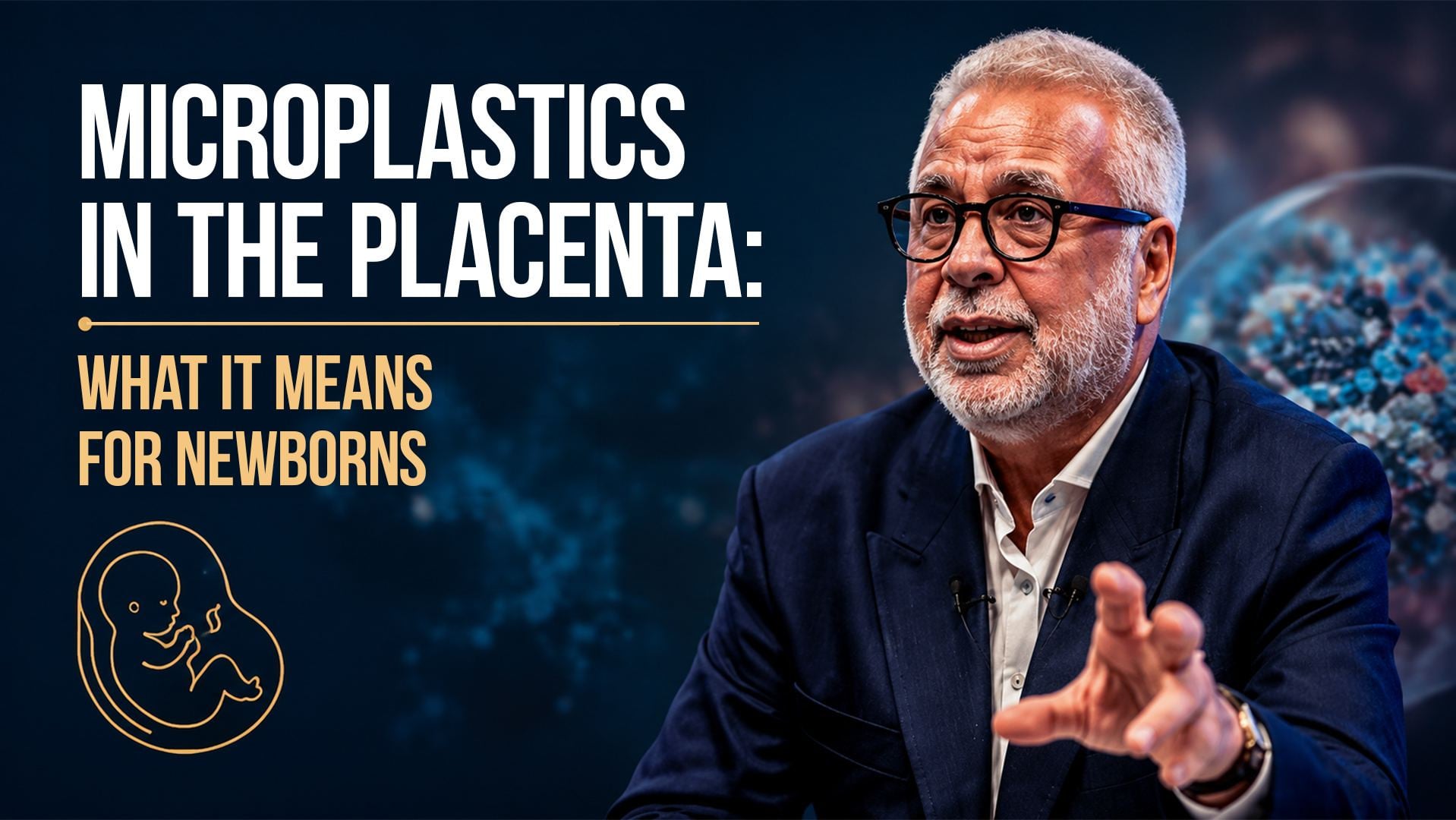
Professor Antonio Ragusa is an obstetrician-gynecologist and one of the pioneering researchers to detect micro- and nanoplastics in the human placenta and breast milk.
In an interview for the ALLATRA Global Research Center, he explains how plastic particles enter our bodies through food, water, air, and skin; why they can penetrate the bloodstream and reach internal organs; and how they might impact cells, the placenta, a baby’s development, and the health of future generations.
The conversation highlights how the issue of micro- and nanoplastics has moved far beyond environmental pollution. Today, it is a matter of public health, scientific responsibility, and long-term human safety.
According to Professor Ragusa, plastic itself is not inherently bad, but our reliance on single-use items and excessive consumption has made it one of the most serious environmental and medical challenges of our time.
This interview was recorded during the production of the documentary "Nanoplastics: A Threat to Life", which explores this invisible yet increasingly evident threat of the 21st-century.
Watch the full documentary here: https://allatra.org/ru/nanoplastics-threat-to-life
*The views and opinions expressed by the guest are their own and do not necessarily reflect the official stance of the interview producers.
Publication of this material provides an opportunity for open discussion and does not in itself imply institutional endorsement, confirmation, or scientific verification of the views expressed. The material does not constitute an official statement, expert opinion, or professional advice.