
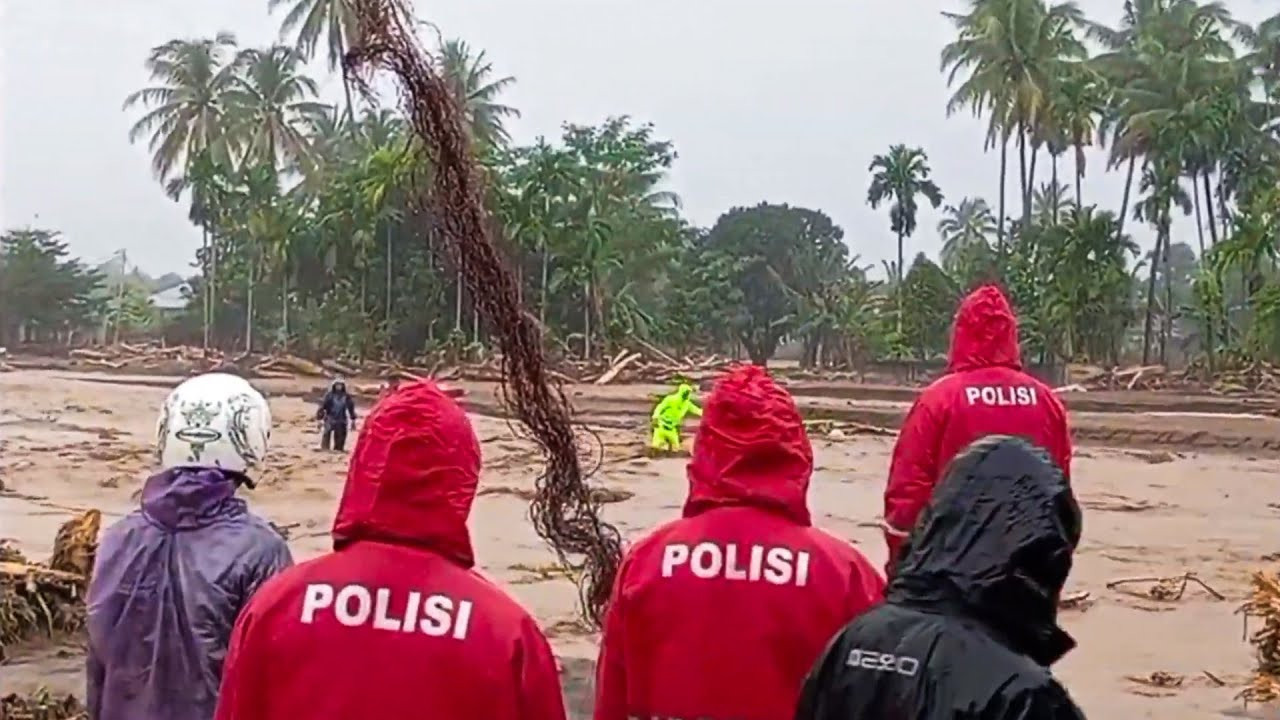
On November 28, Cyclone Ditva struck the eastern coast of Sri Lanka, bringing torrential rains and destructive winds. The disaster affected all twenty-five districts of the country, and floods and landslides caused serious damage to approximately 22 of them.
The Central Province, the North Western Province, and the Uva Province were the most severely affected.
Rivers and reservoirs overflowed, flooding cities, villages, and agricultural fields. Because of landslides and flooding, passenger train service was halted, and many highways across the country were closed.
The scale of destruction is staggering: seven hundred eighty-three houses were completely destroyed, and more than thirty-one thousand were damaged. More than two hundred thirty thousand people were forced to leave their homes and move to temporary shelters.
More than one and a half million people were affected across the island. One-third of the population lost electricity and water supply, ten bridges were destroyed, and more than two hundred roads remain impassable. Government institutions and schools were closed.
A state of emergency was declared throughout the country.
More than twenty-four thousand police officers, army personnel, and servicemembers were deployed to provide assistance and conduct rescue operations.
Even the city of Colombo, the commercial capital of Sri Lanka, did not escape severe flooding.
The speed at which the water rose in the city surprised local residents, who are accustomed to seasonal floods. According to them, this time the flooding was much faster and more extensive than usual.
A resident of the central part of the country reported that about fifteen houses in her area were buried under boulders and mud. According to her, none of the residents of those houses survived.
On November 29, in the north-central Kurunegala area, a nursing home was flooded, resulting in the deaths of eleven elderly people.
The President of Sri Lanka stated that the country had faced the most serious natural disaster in its history.
As of December second, the death toll had reached four hundred sixty-five people. Another three hundred sixty-six people were reported missing.
The scale of the consequences of this natural disaster is colossal. But unfortunately, this is only the beginning; so far, there are no signs that the escalation of cataclysms will stop or be reversed. However, if you think that floods happen on this island anyway, and this time it was just a little stronger, and that such a disaster will bypass your region, watch the film “Nanoplastics. Threat to Life | ALLATRA Documentary”, and you will understand that there is no longer any safe corner on our planet.