Expert opinions, interviews, reviews, and materials on the causes, manifestations, and consequences of climate change. This section focuses on facts, expert assessments, societal adaptation, and finding solutions that increase the resilience of people, cities, and institutions.
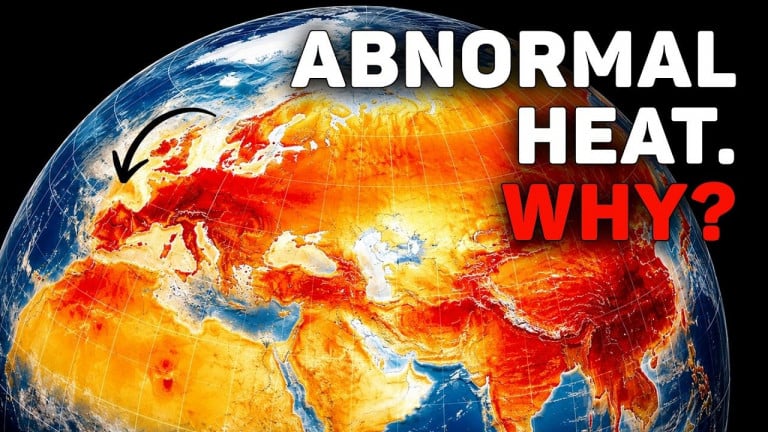
A thermal anomaly affected several continents at once: France experienced the hottest May in its history, with nearly 2,000 temperature records broken; the United Kingdom recorded national temperature highs, while in China nighttime temperatures exceeded 30 °C for the f...
Last week saw a surge in seismic and volcanic activity, even in regions where such processes are usually not expected. The submarine eruption of Titan Ridge volcano in the Bismarck Sea continues to form floating pumice islands. According to specialists, such intense sub...
The planet is demonstrating an unprecedented level of climatic synchrony: while in India a thunderstorm with winds of up to 130 km/h claimed the lives of 117 people, landslide activity is increasing in Bulgaria. Heavy rains since the beginning of May have already trigge...
The tragedy in Indonesia became the most widely reported event of the past week: the eruption of Mount Dukono claimed the lives of tourists, despite the area being officially designated as a restricted danger zone. The event clearly demonstrated how quickly familiar tou...
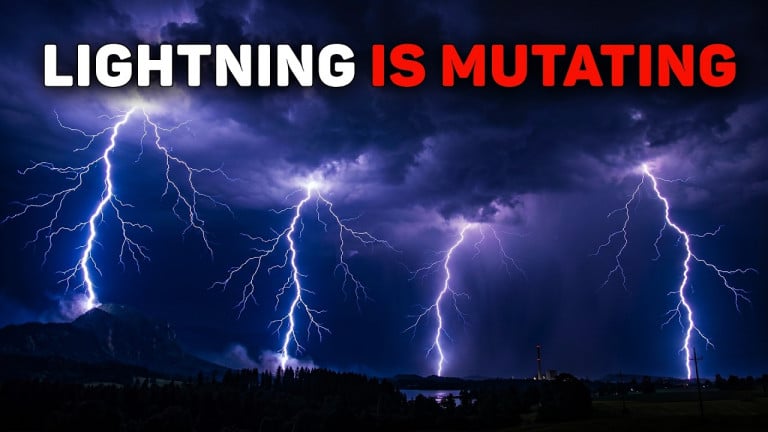
Extreme heat in India was followed by a thunderstorm with large hail in Bengaluru, while at the same time Brazil experienced record frosts and abnormal precipitation. Dust storms and deadly lightning in Pakistan and rockfalls in China added to the picture of global inst...
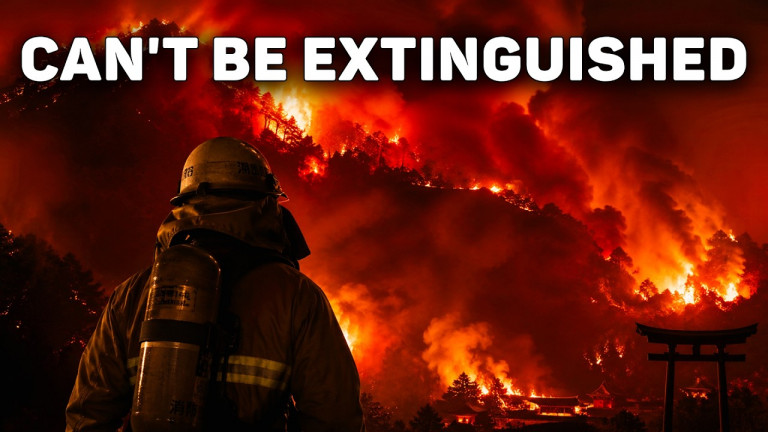
Atmospheric instability has gripped the planet: while an EF4 tornado with winds exceeding 280 km/h raged in the United States, Ukraine was hit by a cold front bringing dust storms and April snowfall. At the same time, Thailand was suffocating from smog caused by large-s...
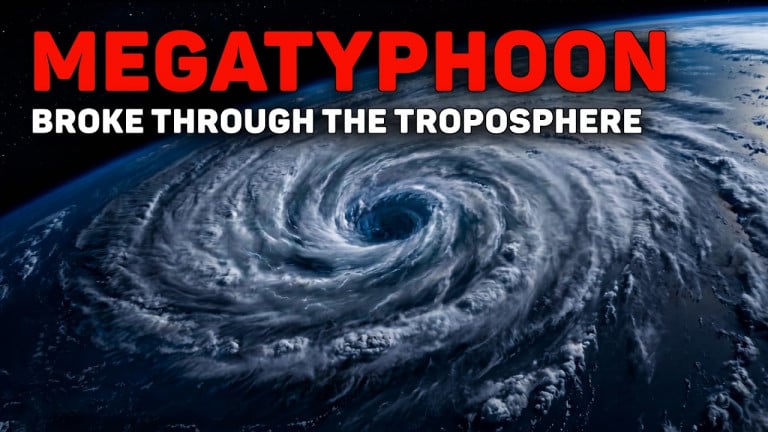
Synchronous strikes of extreme weather across different continents: Saudi Arabia faced historic hailstorms that turned deserts into “ice rivers,” while Vietnam experienced destructive storms with hailstones up to 7 cm in size. Against this backdrop, Super Typhoon “Sinla...
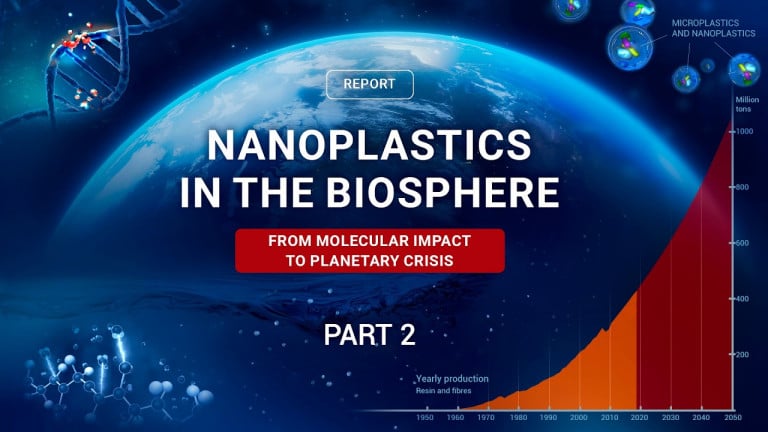
Plastics do not decompose. Hence, they don't disappear without a trace. Over time, they transform into micro- and nanoparticles that become part of the environment. Consequently, plastic pollution takes on a new dimension: it's no longer just visible garbage, but a fact...
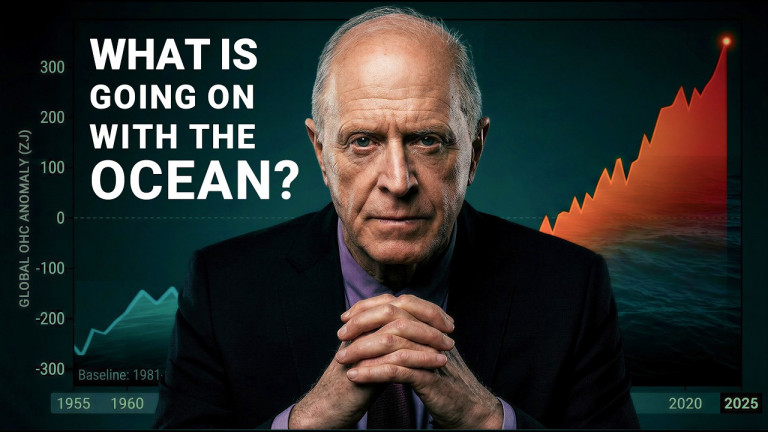
In his new video address, Dr. Egon Cholakian examines rapid ocean warming — a phenomenon that is becoming one of the primary catalysts of global climate instability. He draws attention to the fact that behind seemingly isolated weather anomalies may lie a fundamental up...
Did you know that plastic is not just inert waste, but an active, electrically charged material? In this video, we reveal the unique physicochemical properties of micro- and nanoplastics that determine their profound impact on the biosphere.
Nature’s universal language is invisible, yet it binds all living things into a single, finely tuned system. The natural world is a complex communication network, where every organism is connected through subtle bioelectrical signals. In this video, we explore the pheno...
Recent public discourse surrounding micro- and nanoplastics has become increasingly polarized. One side suggests the risks are overstated, the other calls for the total elimination of plastic. But does eliminating the plastic save us?
The world has entered a new environmental era, where plastic is no longer just beach litter. Today, scientists are discussing nanoparticles — invisible elements capable of penetrating biological barriers. Why are disease statistics changing so rapidly? In this video, we...

This video is dedicated to the significant findings of contemporary scientific research concerning the health of future generations. Scientists have detected micro- and nanoplastic particles in the human body at the earliest stages of development.
Throughout the 20th century, humanity's IQ level steadily increased, but in recent decades something has changed. Research shows that we are facing a “reverse Flynn effect” — average intelligence scores have begun to decline. This is not just a statistic, but a challeng...
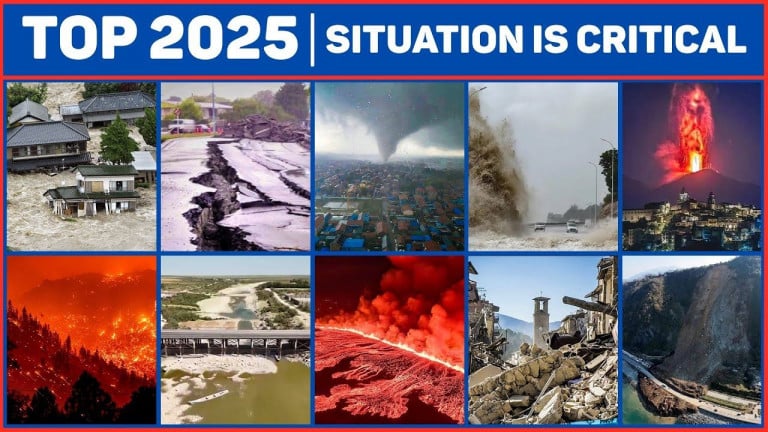
The year 2025 went down in history as a point of no return in humanity's climate story. Thousands of catastrophic events occurred - too many to fit into a Top 10 list. In this edition, we're not just showcasing a collection of climate disasters; we're revealing the syst...
We are living in an era when the loss of biological diversity is occurring at an unprecedented rate.

The plastic crisis isn’t just about garbage on beaches. The most dangerous part of it is invisible, and it’s micro- and nanoplastics. They are in the air we breathe, in the water we drink, and in the human bodies.
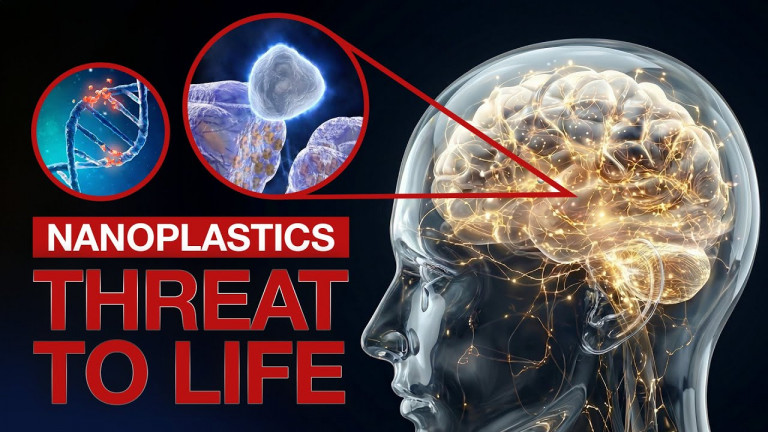
This documentary is the result of a comprehensive scientific investigation that reveals one of the most urgent environmental and public health challenges of the 21st century: micro and nanoplastic pollution, and presents it in an accessible popular science format.

Welcome to Disasters Expo USA 2025 - Day One Highlights

Confidentiality Agreement
User Agreement
'Materials posted on allatra.tv website are for informational and discussion purposes only. For more details, please visit the “Disclaimer” page.