
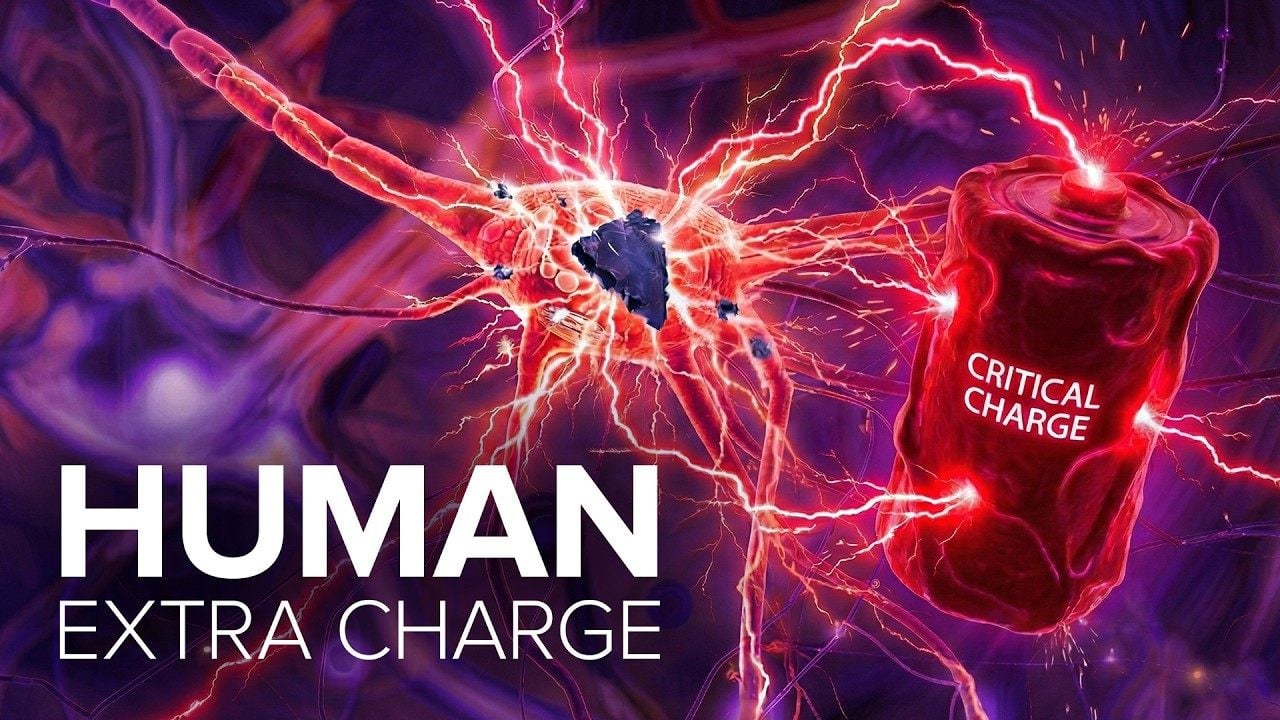
Did you know that plastic is not just inert waste, but an active, electrically charged material? In this video, we reveal the unique physicochemical properties of micro- and nanoplastics that determine their profound impact on the biosphere.
Plastic exhibits the properties of an electret — a material capable of accumulating and retaining a static charge for extended periods. Due to the triboelectric effect, plastic particles regain their charge upon contact with various media, including biological tissues and liquids. When a single 5 mm fragment breaks down into 1-micrometer particles, their number increases to 125 billion. At the same time, the total surface area grows 5,000-fold, greatly amplifying their electrical activity and ability to interact with the surrounding environment.
Today, plastic fragmentation transforms it into billions of nanoparticles that easily bypass the protective barriers of living organisms and accumulate in tissues. This is a global challenge affecting the planet’s energy balance and the health of every individual. Understanding the physical nature of plastic is the first step toward solving a problem of planetary scale.
To fully grasp the mechanisms of this hidden threat and see the evidence, watch the full research documentary “Nanoplastics: Threat to Life | ALLATRA Popular Science Documentary”
Publication of this material provides an opportunity for open discussion and does not in itself imply institutional endorsement, confirmation, or scientific verification of the views expressed. The material does not constitute an official statement, expert opinion, or professional advice.