
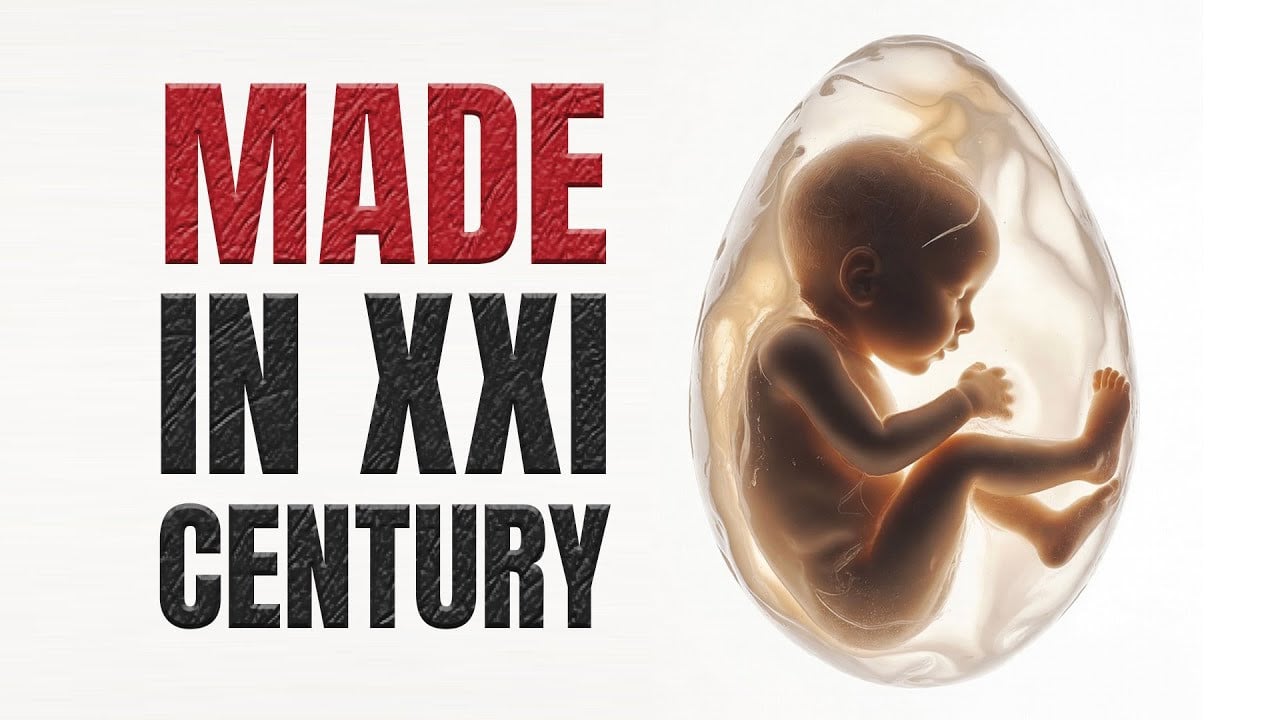
This video is dedicated to the significant findings of contemporary scientific research concerning the health of future generations. Scientists have detected micro- and nanoplastic particles in the human body at the earliest stages of development.
Key aspects of the research:
🟢 Analysis of the potential impact of synthetic particles on the development of the child’s body.
🟢 Investigation of microplastic effects on the endocrine system and other human systems.
🟢 Overview of long-term risks to reproductive health in the context of the modern environment.
🟢 Sudden Infant Death Syndrome (SIDS).
Professor Antonio Ragusa and his colleagues share data explaining why children’s bodies are particularly sensitive to environmental factors. Due to their unique metabolism and underdeveloped protective barriers, children are exposed to a higher load of microparticles per unit of body mass. Today, this topic has become a global priority for experts in medicine and ecology.
This is not a hypothesis — it is a reality that demands a reassessment of our understanding of human development. This is not merely an environmental issue — it is a question of humanity’s survival. Understanding the scale of micro- and nanoplastic impact is the first step toward protecting the future of our children.
Publication of this material provides an opportunity for open discussion and does not in itself imply institutional endorsement, confirmation, or scientific verification of the views expressed. The material does not constitute an official statement, expert opinion, or professional advice.