
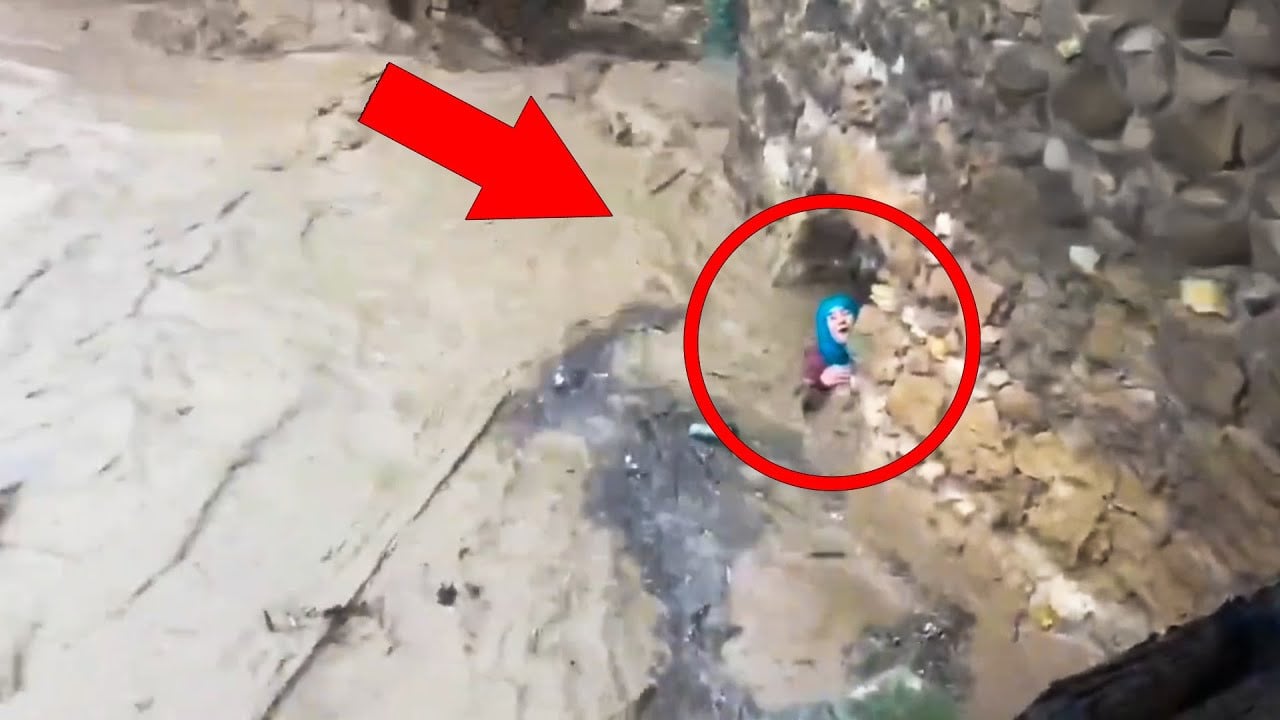
In mid-December 2025, the powerful storm Emilia swept across large parts of Northwest Africa and southern Europe, causing severe consequences, most notably in Morocco. The nationwide death toll from the deadly natural disaster reached 41 people.
On December 13, intense downpours struck Tetouan and nearby areas in the north of the country. In a short period of time, more than 1.18 inches of rainfall fell, a critical volume for the city’s drainage system. Water rapidly accumulated on streets and in low-lying areas, leading to localized flooding, inundation of narrow streets, and serious disruptions to traffic. The situation was further aggravated by strong winds with gusts of 37 to 47 miles per hour, which worsened conditions along the coast and caused heavy sea swell.
The most tragic events unfolded on December 14 in the Atlantic coastal province of Safi, about 205 miles south of Rabat, where exceptionally intense thunderstorm rainfall fell within nearly an hour, triggering a sudden flash flood. According to official data, at least thirty-seven people were killed, and dozens more were injured.
In the city of Safi and its surroundings, residential neighborhoods, the old town, shops, and industrial zones were flooded. Powerful torrents of water swept away vehicles, destroyed roads, and isolated entire districts.
Morocco’s prime minister reported that 1.6 inches of rain fell over a short period in the historic Bab-Chaaba district, through which a river runs, a factor that led to numerous casualties among traders and workers.
Tragic incidents were also reported in other regions of the country. In the southern province of Tinghir, four people died when a vehicle was carried away by a violent current and overturned into a river between Fezou and El-Hafira. Authorities warned of continued rainfall, closed schools in four provinces, and launched large-scale rescue and recovery operations.
According to experts, the scale of the devastation in Morocco is linked to a seven-year drought, after which over-dried soils and depleted reservoirs sharply intensified surface runoff during short-lived but extreme rainfall events, turning them into destructive floods.
However, the root cause lies in the unimaginable intensity of precipitation, which continues to increase year after year. Scientists have found that the formation of such extreme rainfall is being facilitated by a human-made factor. More details are presented in the new film: “Nanoplastics. Threat to Life | ALLATRA Documentary”