
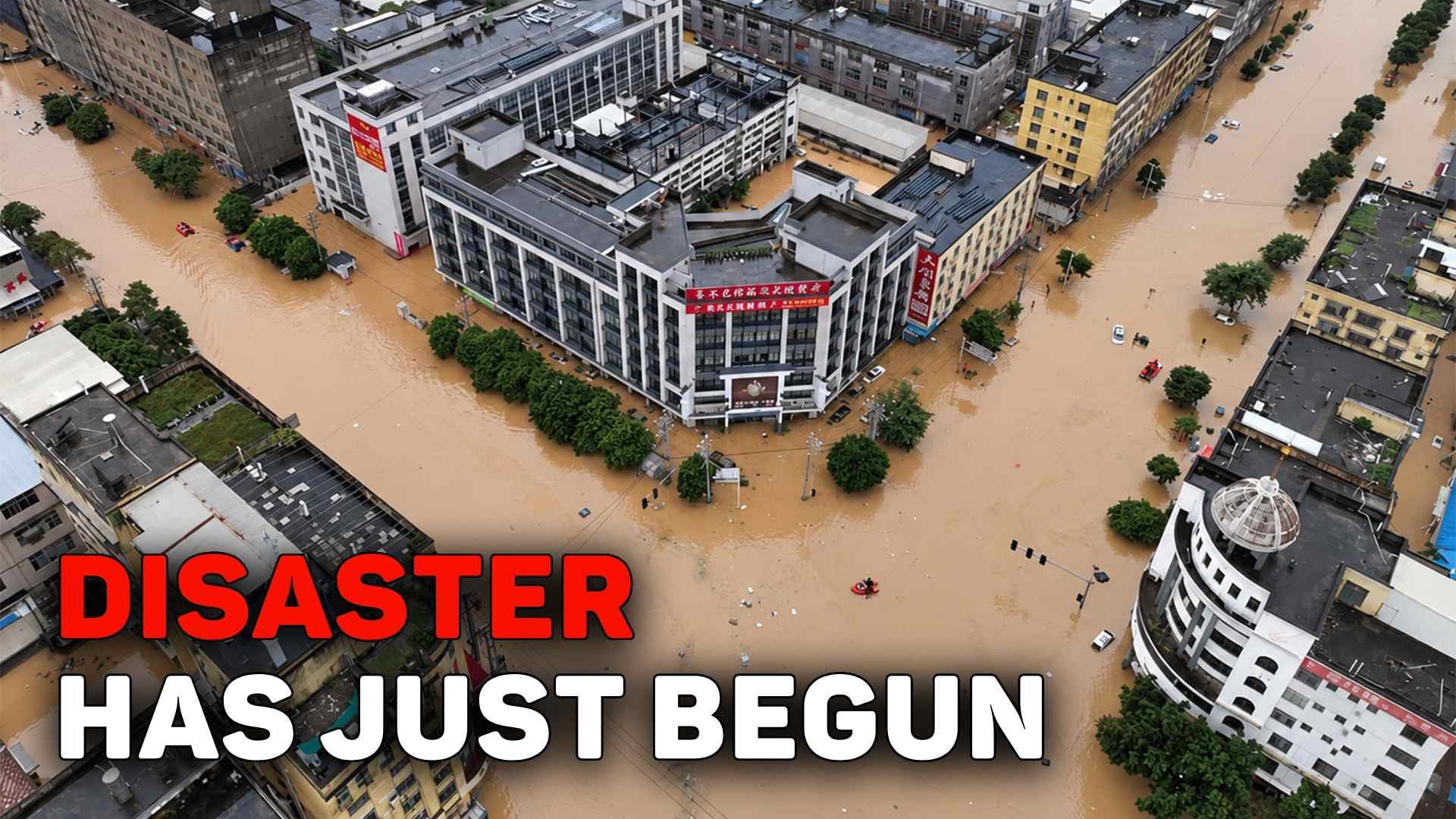
In Toronto, a historic storm with torrential rain, hailstones up to 6.5 cm in diameter, and wind gusts of up to 130 km/h flooded major downtown roads and damaged stadium infrastructure. In southeastern China, Typhoon Saudel triggered widespread flooding that completely destroyed dozens of homes and left thousands of students stranded. In Austria, following a record-hot summer, half-meter-high piles of hail required snow-removal equipment to be brought in. Smoke from massive wildfires in Indonesia forced more than one million schoolchildren to switch to remote learning and blanketed four neighboring countries.
Waves of extreme precipitation, ice collapses, and large-scale wildfires formed a single chain of energy redistribution — this is an analysis of the main climate events from August 31 to September 6, 2026.
00:00 - Introduction
00:22 - Canada: a once-in-a-century storm in Toronto, widespread flooding and sinkholes
02:26 - Indonesia: wildfires, hazardous air quality and transboundary haze
06:15 - United States: Tropical Storm Edouard and flash flooding in Texas
08:56 - China: historic flooding and mudslides in Fujian, Zhejiang and Hunan provinces
11:55 - Austria: severe hail, damage to infrastructure and agriculture
14:00 - Conclusions: long-term economic impacts and global supply chains
The damage caused by a natural disaster does not end when the flooding subsides or the storm passes. The economic and social consequences of such events are felt for many years. Statistics show a steady increase in direct losses: while they amounted to around $70–80 billion annually at the end of the 20th century, in recent decades this figure has risen to $180–200 billion, while the total modern cost of disasters is estimated at more than $2.3 trillion per year. The loss of productivity caused by natural disasters each year is comparable to the loss of millions of full-time jobs.
In an increasingly globalized world, the consequences of a disaster in one region rarely remain local: damage to ports, agricultural land, or transportation corridors inevitably leads to disruptions in supply chains and rising prices around the world. Understanding this interconnectedness is critical, as the full cost of a disaster is not revealed immediately, and the entire system — from an individual business to the global economy — is put to the test.
Stay informed about events happening around the world.
Publication of this material provides an opportunity for open discussion and does not in itself imply institutional endorsement, confirmation, or scientific verification of the views expressed. The material does not constitute an official statement, expert opinion, or professional advice.