
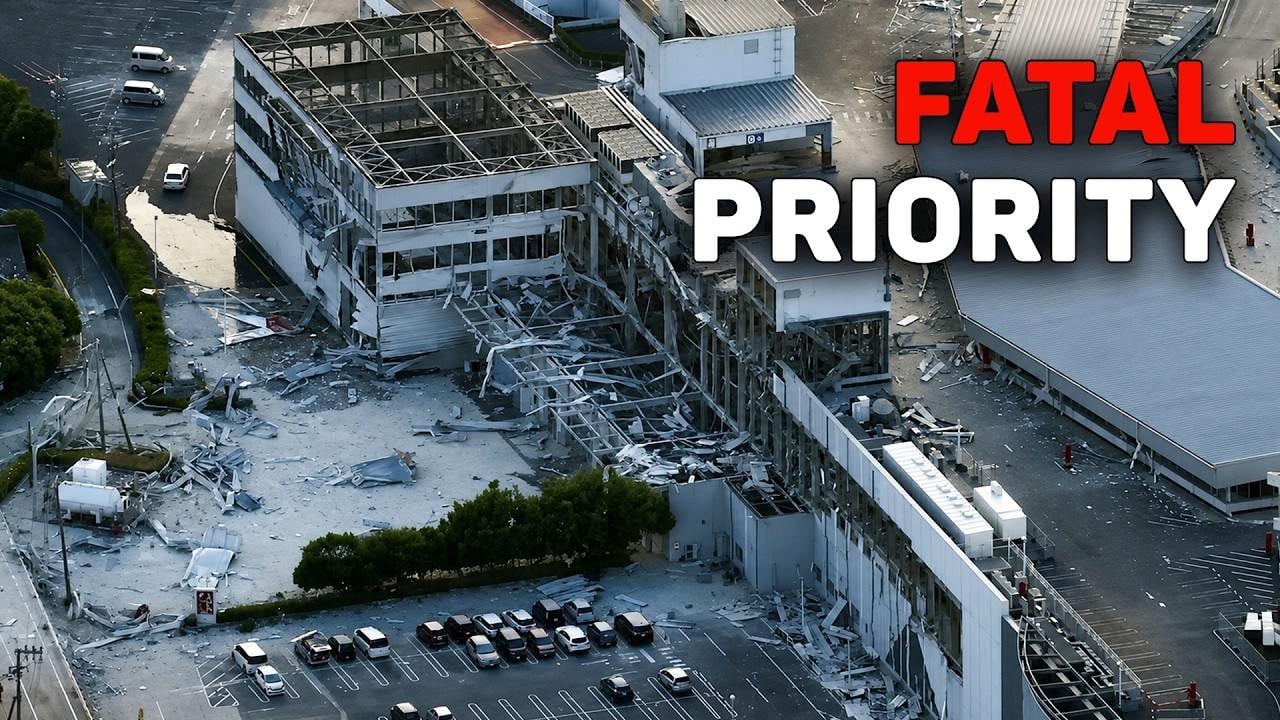
In Kumamoto Prefecture, Japan, a magnitude 7.1 earthquake destroyed residential areas and industrial facilities, claiming the lives of dozens of people. In Italy, a record-breaking magnitude 4.7 earthquake shook the caldera of the Campi Flegrei supervolcano. In Europe, a historic drought caused the Rhine and Danube rivers to fall to critically low levels, disrupting the operation of nuclear power plants in Romania and Hungary. In Brazil, a tornado with winds of up to 300 km/h reduced municipalities in the state of Rio Grande do Sul to ruins, while in Russia, abnormal rainfall triggered an unprecedented summer flood in Tyumen Oblast, dramatically altering the hydrological and chemical composition of the rivers.
Time codes:
00:00 Introduction
00:34 Europe: historic low water levels in the Rhine and Danube, forced shutdown of nuclear power plants
04:04 Japan: magnitude 7.1 earthquake in Kumamoto and its devastating consequences
09:06 Italy: record earthquakes in the Campi Flegrei caldera and evacuations in Naples
11:12 Russia: abnormal rainfall, large hail, and unprecedented summer flooding in Tyumen
13:45 Brazil: devastating tornado in Rio Grande do Sul and major storms in the southeast
17:21 Conclusions: prioritizing human life and safety procedures during emergencies
Waves of seismic activity, record-breaking droughts, and devastating floods across different continents have formed a single chain of energy redistribution — an analysis of the major climate and geophysical events from July 27 to August 2, 2026.
Stay informed about events happening around the world.
Publication of this material provides an opportunity for open discussion and does not in itself imply institutional endorsement, confirmation, or scientific verification of the views expressed. The material does not constitute an official statement, expert opinion, or professional advice.