
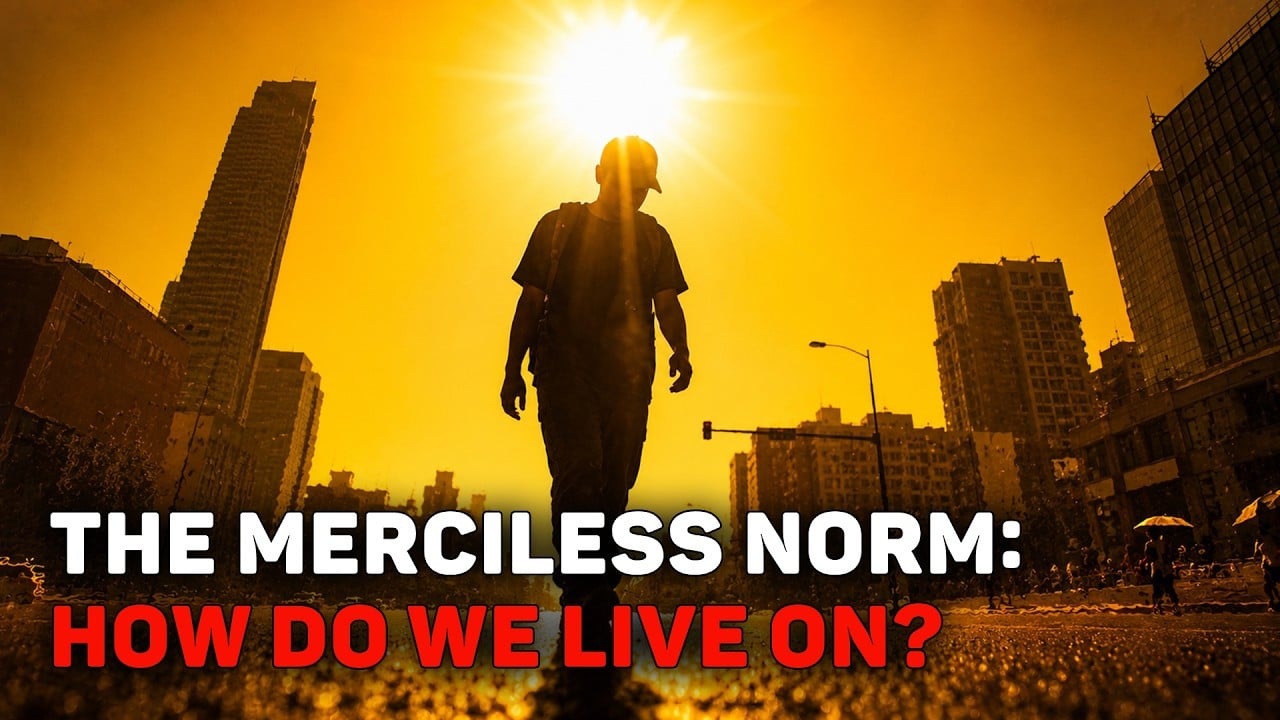
In South Korea, temperatures in the city of Yangsan reached 42.5°C, breaking the national record three times in three days, while nearly 100 major wildfires simultaneously swept across the western United States, from Washington State to California. In Thailand, a lightning strike during a football match claimed the life of a player, while in Ethiopia, the rainy season triggered a landslide at a monastery, killing 14 pilgrims.
Puerto Rico recorded its driest July in 120 years of observations, while the worsening drought forced authorities to introduce strict water rationing for hundreds of thousands of residents. In Sri Lanka, heavy monsoon rains caused floods and landslides, damaging more than a hundred homes and forcing thousands of people to leave their homes.
Waves of extreme heat, large-scale wildfires and flash floods across different continents formed a single chain of energy redistribution — this is an analysis of the main climate events from August 3 to 9, 2026.
Time codes:
00:00 Introduction
00:33 Thailand and Ethiopia: Thunderstorm activity, a tragedy on a football field, and seasonal landslides
03:04 Puerto Rico: Record drought, water shortages, and impacts on agriculture
05:38 Sri Lanka: Monsoon rains, floods, and infrastructure damage
06:39 South Korea, China and Japan: Extreme heat, temperature records, and impacts on infrastructure
10:44 USA and Canada: Large-scale wildfires, evacuations, and fatalities from uncontrolled fires
14:44 Conclusions: Urban adaptation and safety measures in extreme heat conditions
Modern cities and their infrastructure were designed for the climate conditions of the past. Roads, power grids, work schedules and even sports facilities were built to operate within a specific temperature range that increasingly no longer reflects reality. When temperatures exceed 40°C, cooling systems cease to be a matter of comfort and become a critical element of safety.
The pace of climate change is shortening familiar timeframes: previous temperature records are being broken within just a few days, while extreme events are occurring more frequently. People quickly adapt to new conditions, even those that pose a direct threat, so every new record should be seen as a signal to reassess safety measures.
Adaptation begins with understanding individual risks: knowing the symptoms of heat-related illness, the vulnerability of loved ones, and the location of cool, safe places. A comprehensive solution includes creating cooled public spaces, adjusting work schedules, using materials that reduce heat buildup in streets, and protecting power grids. These measures are essential first and foremost to safeguard people’s health and lives in a changing environment.
Stay informed about events happening around the world.
Publication of this material provides an opportunity for open discussion and does not in itself imply institutional endorsement, confirmation, or scientific verification of the views expressed. The material does not constitute an official statement, expert opinion, or professional advice.