
Extreme heat in India was followed by a thunderstorm with large hail in Bengaluru, while at the same time Brazil experienced record frosts and abnormal precipitation. Dust storms and deadly lightning in Pakistan and rockfalls in China added to the picture of global instability, while in Europe an Arctic front brought snow to Bulgaria and triggered a landslide in the Rhodope Mountains.
Such synchrony of extreme events points to systemic changes in the planet’s thermoregulation. A disruption in the balance of heat exchange between the Earth’s interior, the ocean, and the atmosphere leads to the accumulation of excess energy and, consequently, to abnormal thunderstorm activity.
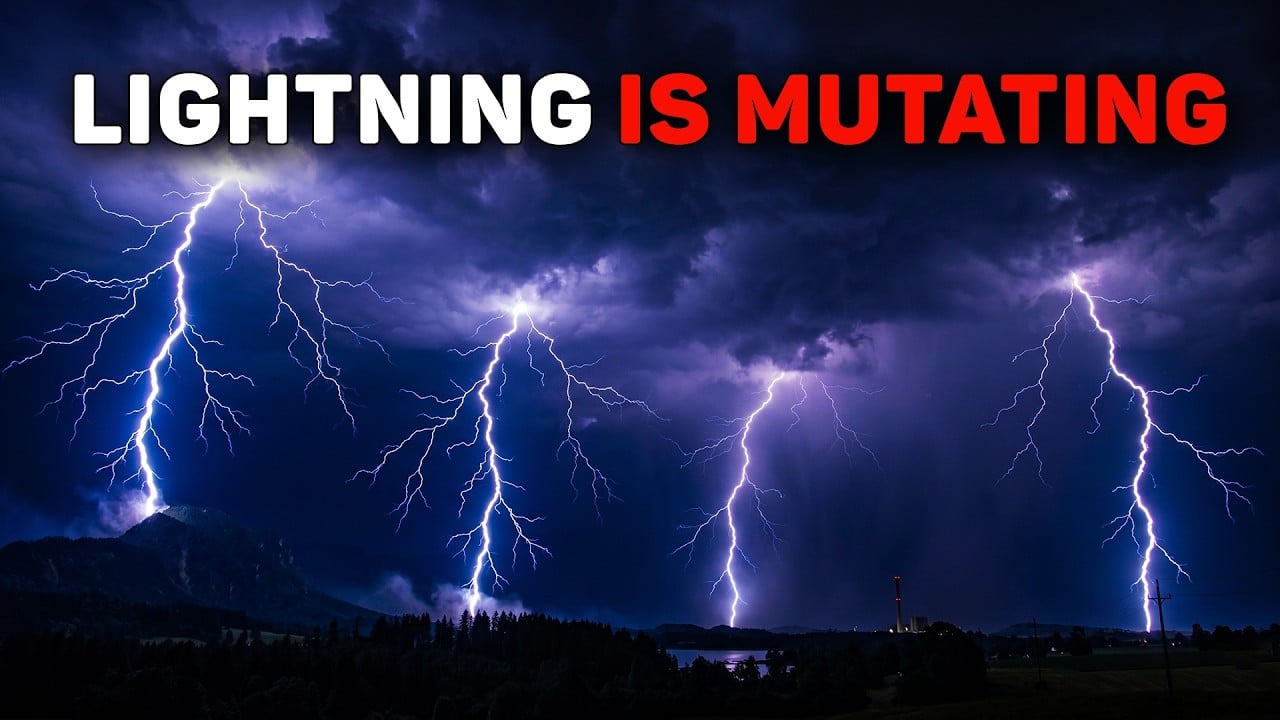
However, thunderstorms are still often not perceived as a fully significant climate hazard. Today, the amount of electrical energy in the atmosphere is rapidly increasing: nanoplastics, which exhibit electret properties, act as an atmospheric capacitor — they accumulate and retain electrical charge, enhancing the electrification of clouds. As a result, lightning becomes more powerful, appears in atypical regions, and its frequency increases. Therefore, under modern conditions, thunderstorms should not be viewed merely as background to a rainy day, but as a potentially dangerous phenomenon.
Safety does not begin when a disaster has already occurred, but when a person recognizes the risk in time and responds appropriately.
Understanding the physics of these processes is key to making sense of what is happening. These changes affect everyone, and a scientific approach to studying the planet is becoming a priority task for society.
Time codes:
00:00 Introduction
00:25 Bulgaria: Arctic front and landslide in the Rhodope Mountains
02:13 Brazil: abnormal frosts and storms in Rio Grande do Sul, landslides and flooding in Pernambuco and Paraíba
06:10 China: rockfall in Guangxi
07:40 Vietnam: storms before the start of the rainy season
08:54 India: extreme heat and powerful thunderstorms
11:50 Pakistan: dust storms and lightning strikes
13:10 Conclusions: thunderstorm activity and the role of nanoplastics
Watch more materials on our channel about the true causes of escalating climate disasters and their progression based on a mathematical model:
📍 "Nanoplastics. A Threat to Life | Popular Science Film by ALLATRA"
📍 "Why Is the Ocean Warming Up So Fast? | Dr. Egon Cholakian"
Publication of this material provides an opportunity for open discussion and does not in itself imply institutional endorsement, confirmation, or scientific verification of the views expressed. The material does not constitute an official statement, expert opinion, or professional advice.