
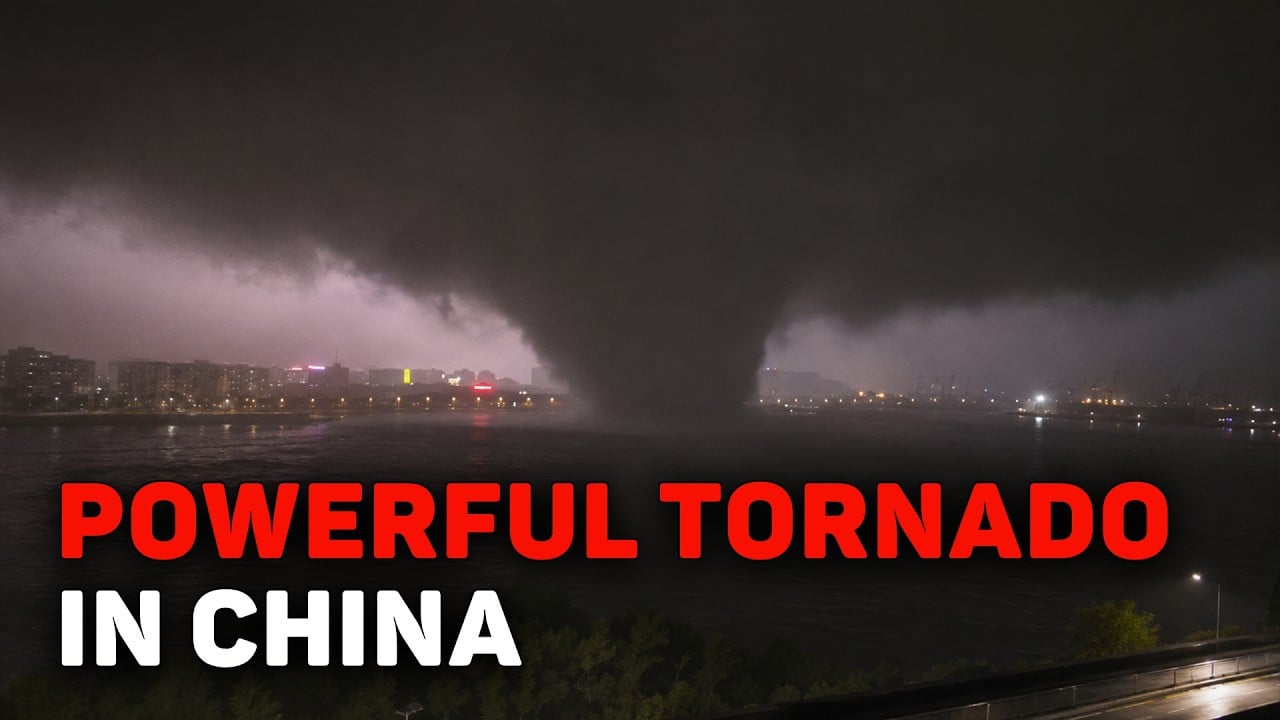
In Hubei Province, China, a rare EF2 tornado destroyed residential neighborhoods and industrial areas, claiming the lives of eleven people. In the south of the country, torrential rains exceeded the monthly precipitation norm by more than two times. In Spain’s Andalusia, a wildfire advanced 15 km in just two hours, becoming the deadliest in the region’s history — 12 people died. Super Typhoon Bavi reached the strength of a Category 5 tropical cyclone and virtually paralyzed Rota Island in the Pacific Ocean, while in Russia, severe rains in Dagestan triggered mudflows and landslides, completely cutting off dozens of high-altitude villages from the outside world.
Waves of extreme precipitation, tornadoes, and large-scale floods across different continents formed a single chain of energy redistribution — this is an analysis of the main climate events from July 6 to 12, 2026.
Time codes:
00:00 - Introduction
00:26 - Spain: tragic wildfire in Andalusia and evacuation challenges
03:31 - Central Europe: Cyclone Bernadette and storm impacts in Poland and Lithuania
05:25 - Pacific Ocean: Super Typhoon Bavi and destruction in the Mariana Islands
08:32 - China: tornado in Hubei Province and large-scale flooding in Guangxi
13:50 - Russia: mudflows and landslides in the mountainous regions of Dagestan
15:52 - Conclusions: the importance of preventive measures and natural disaster forecasting
Hazardous natural phenomena are becoming increasingly sudden and difficult to predict accurately, requiring a shift from reactive responses to proactive measures. Preventive actions may sometimes appear excessive, inconvenient, or economically disadvantageous. However, the timely suspension of vessel traffic on the Yangtze River, the advance relocation of scouts in Pomerania to safe shelters, and the evacuation of residents from areas affected by wildfires are examples of situations where proactive decisions saved lives. No material losses can compare with that.
Safety concerns must begin before a threat becomes obvious to everyone. The actual scale of a disaster often exceeds preliminary estimates — and the readiness to act in advance is becoming one of the key factors in saving human lives today.
Stay informed about events happening around the world.
Publication of this material provides an opportunity for open discussion and does not in itself imply institutional endorsement, confirmation, or scientific verification of the views expressed. The material does not constitute an official statement, expert opinion, or professional advice.