While China was battling extreme downpours that brought more than 700 mm of rainfall in a single day in Guangdong Province, a historic flood occurred in the Taklamakan Desert — an event highly unusual for one of the driest regions on Earth. In Russia, Zabaykalsky Krai was hit by a June snowstorm, while in Tajikistan mudflows destroyed residential houses and infrastructure.
At the same time, in Indonesia, a magnitude 6.7 earthquake triggered landslide activity, while in Brazil a storm with record-breaking hail caused damage to agriculture and urban infrastructure. This geography of anomalies — from floods in deserts to snowfall at the beginning of summer — reflects systemic changes in planetary dynamics.
Chronicle of climate processes and geophysical activity for the period June 14–21, 2026.
Time codes:
00:00 Introduction
00:30 Brazil: historic storm in Goiânia, microburst in Piracuruca
02:25 Indonesia: M6.7 earthquake in Central Sulawesi, landslides in the national park
04:30 Russia: anomalous snowfall in Zabaykalsky Krai
05:32 Tajikistan: mudflows in Sughd Region
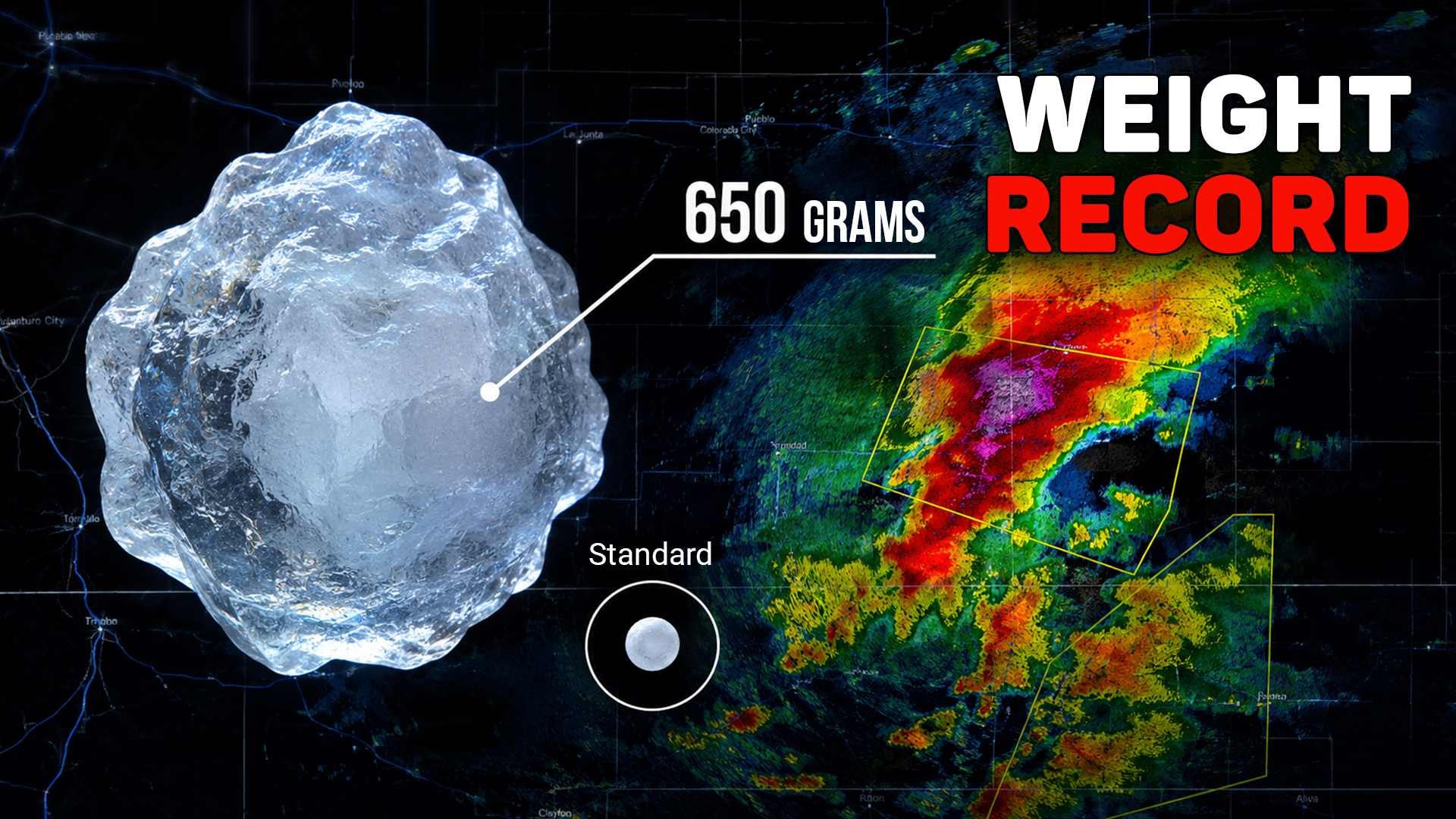
06:26 China: extreme rainfall in Guangdong and Hubei, flooding in the Taklamakan Desert, and hailstones weighing up to 650g in Hebei Province
13:13 Tropical Storm Arthur: impact on the FIFA World Cup in Texas
16:00 Conclusions: the role of nanoplastics in enhancing convective processes
The presented events are part of a broader picture of changes in the Earth’s climate system. Research indicates that micro- and nanoplastics present in the atmosphere may act as additional cloud condensation nuclei, influencing cloud formation and precipitation intensity. These particles can accelerate the freezing of droplets at higher temperatures, contributing to the formation of larger hail and enhancing convective activity. When familiar weather phenomena take on extreme characteristics, it is important to understand the physics behind these processes. These changes affect everyone, and a scientific approach to studying the planet is becoming a priority for society.
Stay informed about global events as they unfold.
Publication of this material provides an opportunity for open discussion and does not in itself imply institutional endorsement, confirmation, or scientific verification of the views expressed. The material does not constitute an official statement, expert opinion, or professional advice.