
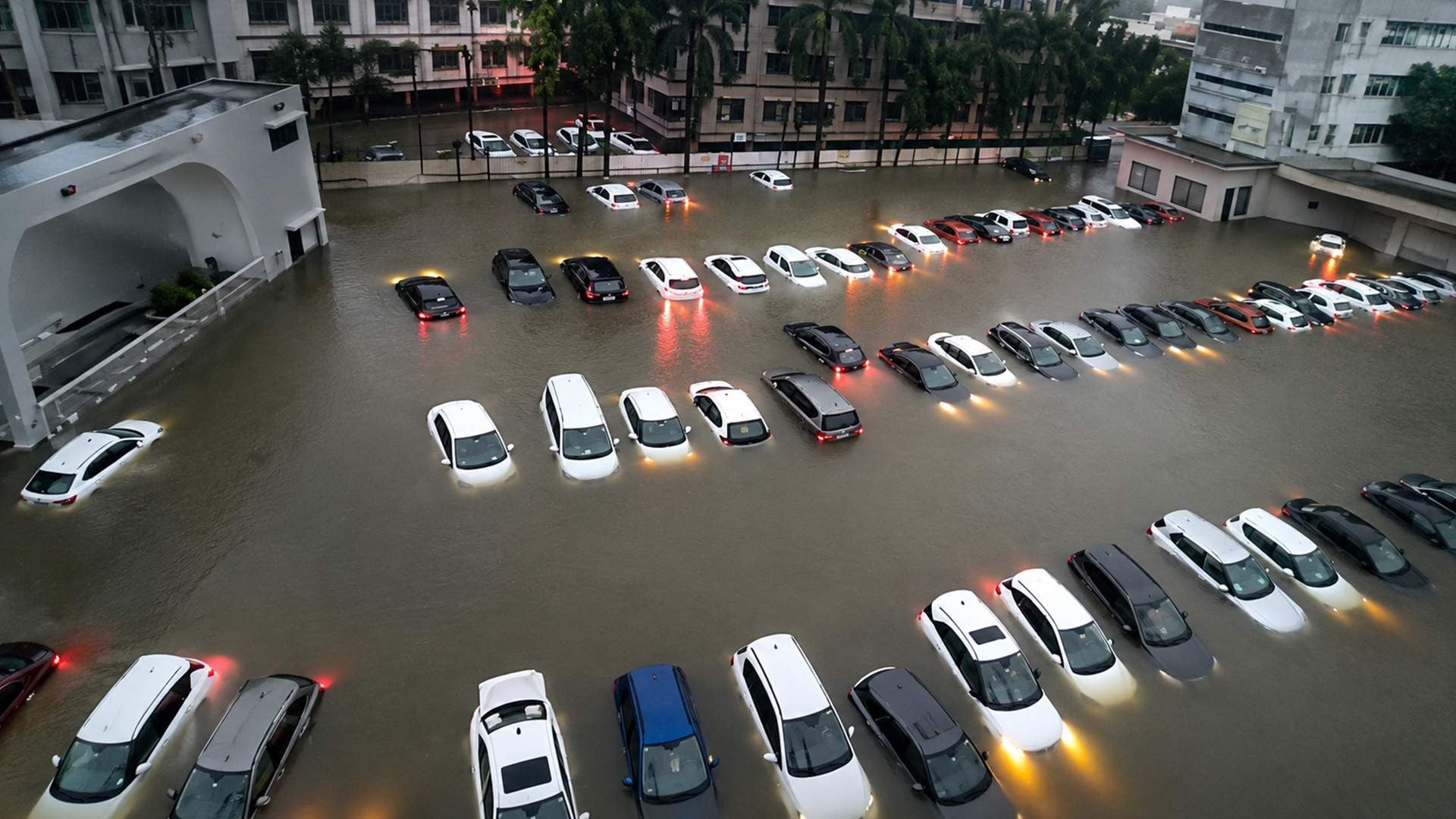
Beginning on July 18, several regions of India came under the influence of prolonged monsoon rains that caused widespread flooding and landslides. The most severe consequences were recorded in the northeastern state of Assam, the western state of Gujarat, and the Union Territory of Jammu and Kashmir.
In some districts of Assam, rainfall exceeded the climatic average by more than four times. In Charaideo District, 6.7 inches of rain were recorded — 437% above the usual level for this period. Authorities emphasized that the current situation differed from typical seasonal river flooding: most of the water came from extremely intense downpours that occurred within a very short period of time.
Water levels rose sharply in the Brahmaputra River and its numerous tributaries.
The overflowing rivers flooded 872 villages. The situation was particularly severe in the districts of Sivasagar, Charaideo, and Jorhat. In some locations, the water exceeded not only danger levels but also previously recorded historical highs.
Around 1.1 million people were affected by the flooding. More than 41,000 residents were forced to leave their homes and relocate to temporary relief centers. Residents of low-lying areas were evacuated mainly by boat.
At the same time, some flooded areas remained inaccessible to ground rescue teams for several days. Authorities attempted to use drones to deliver food to residents of isolated communities, but the relief packages dropped from the air were often damaged.
Floodwaters damaged protective embankments, roads, bridges, and other infrastructure. Rail service was disrupted for several days because the tracks were flooded.
Agriculture suffered serious damage. More than one hundred thirty-eight thousand four hundred acres of farmland were submerged. The flooding also affected more than three hundred thirty-four thousand livestock and poultry. Many families lost not only their homes but also their main sources of income — crops, animals, and agricultural equipment.
The state government described the current wave of flooding in eastern Assam as the most extensive in the past 60 years. The death toll reached 62.
At the same time, an extremely difficult situation developed in Gujarat. Prolonged rains affected a large part of the state, but the most severe impact was felt in its southern areas, particularly the districts of Valsad, Navsari, and Surat.
Around 47.2 inches of rain fell in Valsad District over 36 hours. The city of Surat received 14.1 inches of rain in a single day. Floodwaters inundated residential neighborhoods, roads, and industrial zones, forced schools to close, and caused serious disruptions to public transportation. In some areas, residents were unable to leave their homes without assistance from rescuers.
Because railway tracks along the Ahmedabad–Mumbai route were flooded, trains were canceled, and some passengers were stranded at Navsari Station. Highways were also closed on several sections.
In total, more than 22,000 people were evacuated from dangerous areas of Gujarat.
At least 35 people died in the state over several days. Most of the deaths were caused by drowning and electrocution.
Heavy monsoon rains also struck Jammu and Kashmir. Flash floods, rockfalls, and numerous landslides occurred across the region. Particularly serious consequences were recorded in the districts of Poonch, Rajouri, Budgam, Bandipora, and Ramban.
Because of the continuing weather-related danger, authorities temporarily suspended the main religious pilgrimages.
Traffic on the strategically important Jammu–Srinagar National Highway was halted after landslides and mudflows blocked several sections of the road. Near Gangru in Ramban District, two people were killed when rocks from a slope fell onto a Tempo Traveller minibus.
In total, flash floods and landslides in Jammu and Kashmir claimed the lives of at least 29 people.
Seasonal monsoons are common in India, but the current rains demonstrated how quickly an ordinary threat can develop into a large-scale disaster. It is therefore important for both residents and emergency services to anticipate the possibility of a rapid deterioration in conditions and to be prepared to act without delay.
Publication of this material provides an opportunity for open discussion and does not in itself imply institutional endorsement, confirmation, or scientific verification of the views expressed. The material does not constitute an official statement, expert opinion, or professional advice.