Climate
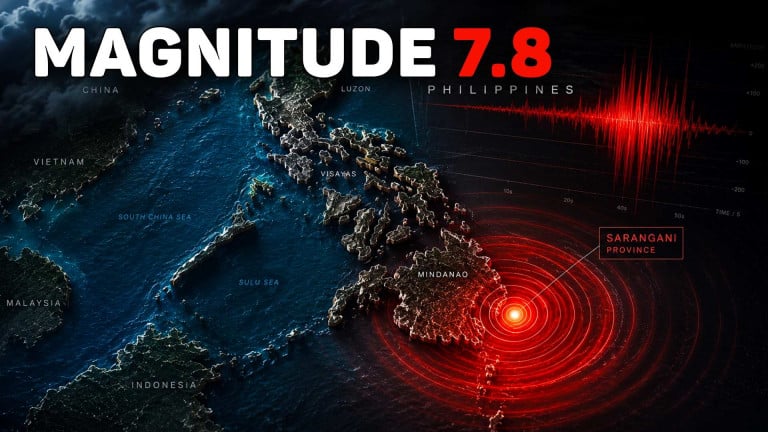
Earthquakes and volcanic activity were observed in various regions of the world over the past week. A deep-focus magnitude 6.1 earthquake in Italy with a focal depth of 259 km, a series of tremors on the Greek island of Evia, and a destructive magnitude 7.8 earthquake i...
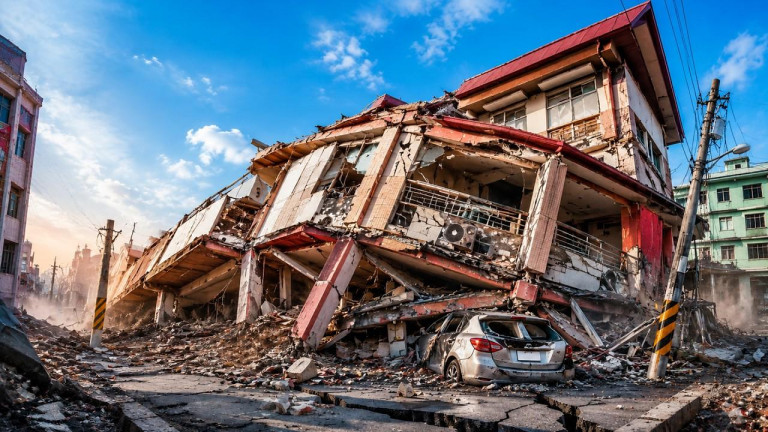
On the morning of June 8, a magnitude 7.8 earthquake struck off the coast of the Philippine island of Mindanao. According to the Philippine seismic service, the tremor was recorded at 7:37 in the morning local time, about 20 miles southwest of the city of Maasim in Sara...
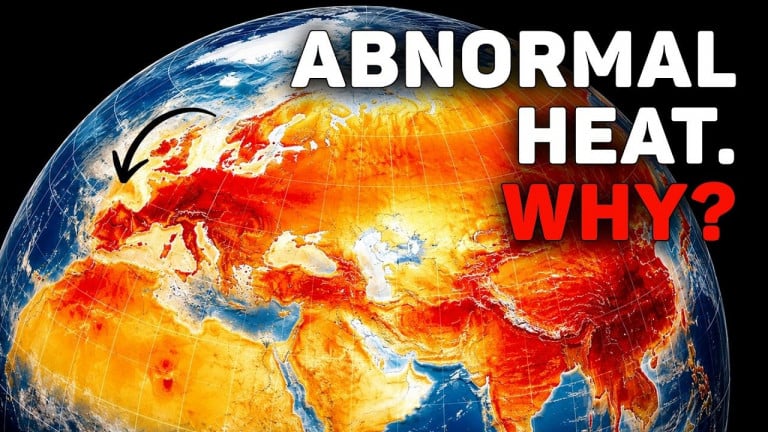
A thermal anomaly affected several continents at once: France experienced the hottest May in its history, with nearly 2,000 temperature records broken; the United Kingdom recorded national temperature highs, while in China nighttime temperatures exceeded 30 °C for the f...
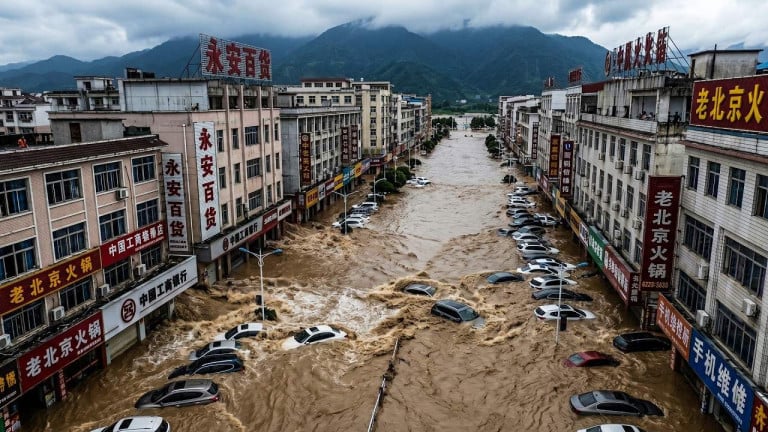
In the second half of May, China came under the influence of several dangerous natural processes at once. In different parts of the country, heavy downpours, floods, landslides, and seismic activity were developing almost simultaneously.
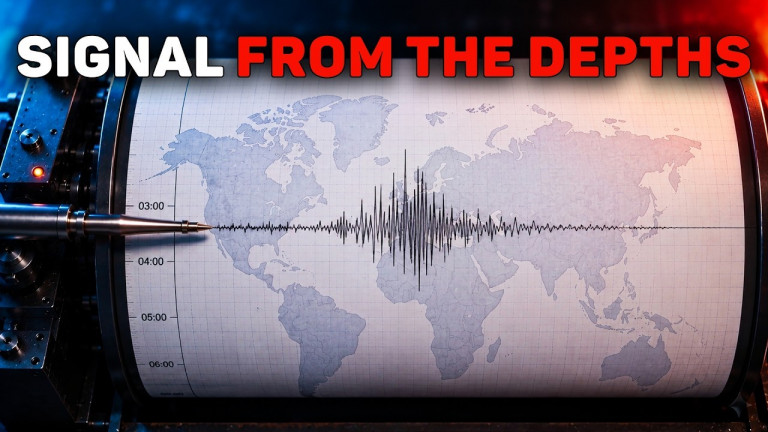
Last week saw a surge in seismic and volcanic activity, even in regions where such processes are usually not expected. The submarine eruption of Titan Ridge volcano in the Bismarck Sea continues to form floating pumice islands. According to specialists, such intense sub...

This inspiring interview brings together two extraordinary voices in ocean exploration and planetary stewardship: Dr. Sylvia Earle, legendary oceanographer, explorer, founder of Mission Blue, and one of the world’s most influential advocates for the protection of the li...
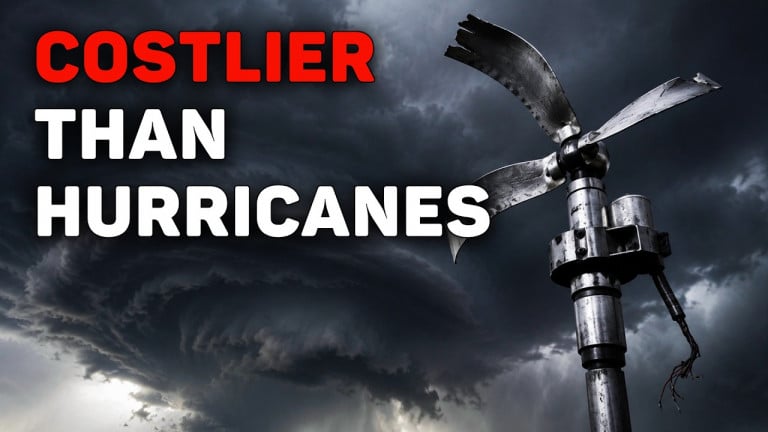
The planet is demonstrating an unprecedented level of climatic synchrony: while in India a thunderstorm with winds of up to 130 km/h claimed the lives of 117 people, landslide activity is increasing in Bulgaria. Heavy rains since the beginning of May have already trigge...
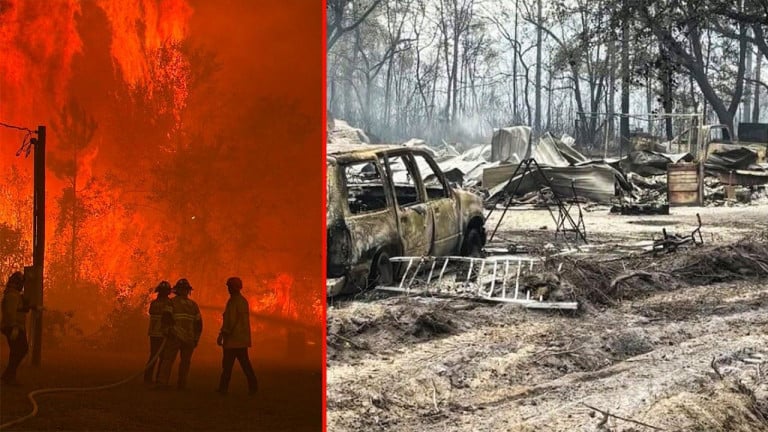
In recent years, wildfire activity in the United States has remained high. According to the National Interagency Fire Center, by May 23, nearly 2.35 million acres had already burned across the country. For comparison, over the entire year of 2025, slightly more than 5.1...

Micro- and nanoplastics are no longer just an environmental issue; they are becoming a human health issue.

The tragedy in Indonesia became the most widely reported event of the past week: the eruption of Mount Dukono claimed the lives of tourists, despite the area being officially designated as a restricted danger zone. The event clearly demonstrated how quickly familiar tou...
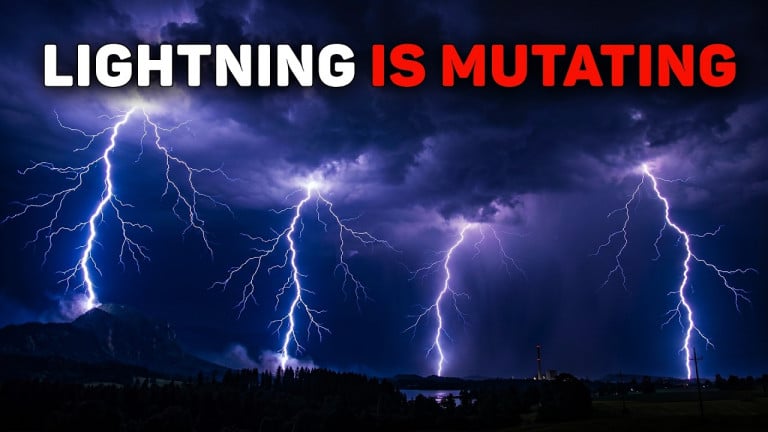
Extreme heat in India was followed by a thunderstorm with large hail in Bengaluru, while at the same time Brazil experienced record frosts and abnormal precipitation. Dust storms and deadly lightning in Pakistan and rockfalls in China added to the picture of global inst...
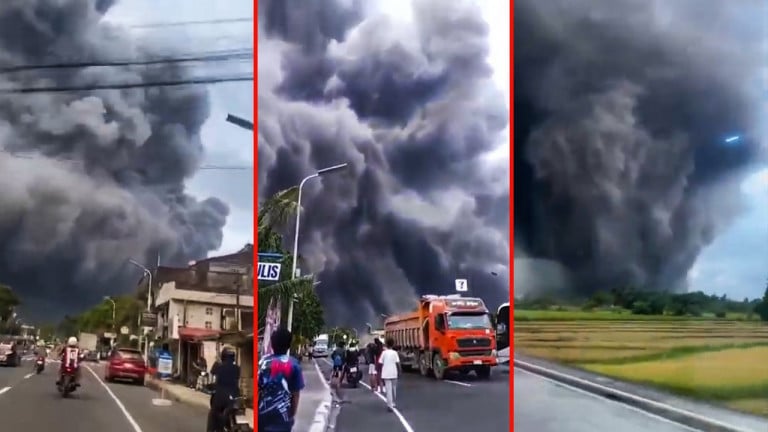
Mayon Volcano in the Philippines has once again reminded people of its dangerous power through a series of alarming events that changed life in Albay Province in just a few days. According to the National Disaster Risk Reduction and Management Council, the first signs o...
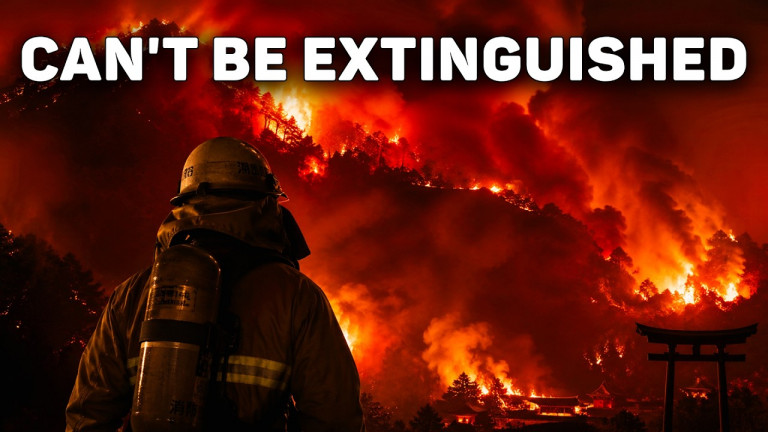
Atmospheric instability has gripped the planet: while an EF4 tornado with winds exceeding 280 km/h raged in the United States, Ukraine was hit by a cold front bringing dust storms and April snowfall. At the same time, Thailand was suffocating from smog caused by large-s...
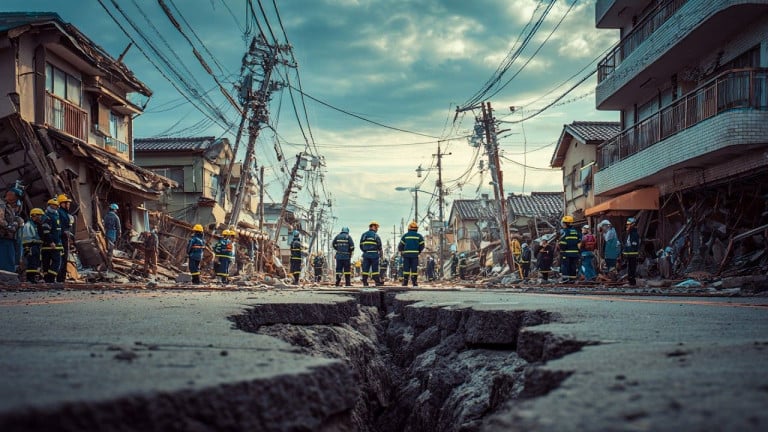
On April 20 at 4:53 p.m. local time, a powerful magnitude 7.4 earthquake struck in the Pacific Ocean off the coast of Sanriku, Japan. The hypocenter was located at a depth of about 12 miles.
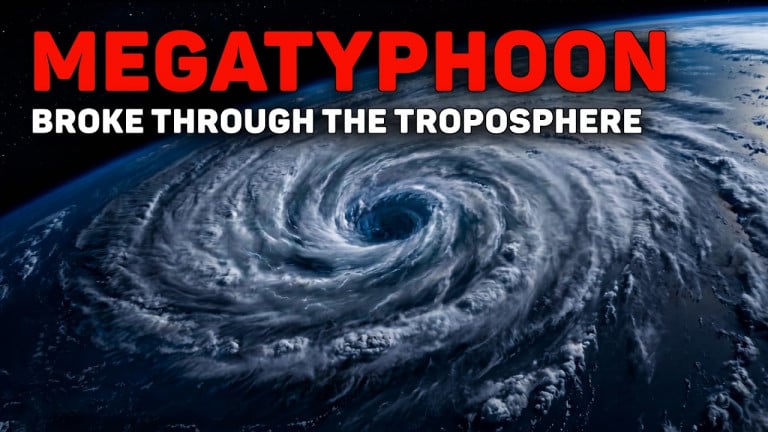
Synchronous strikes of extreme weather across different continents: Saudi Arabia faced historic hailstorms that turned deserts into “ice rivers,” while Vietnam experienced destructive storms with hailstones up to 7 cm in size. Against this backdrop, Super Typhoon “Sinla...
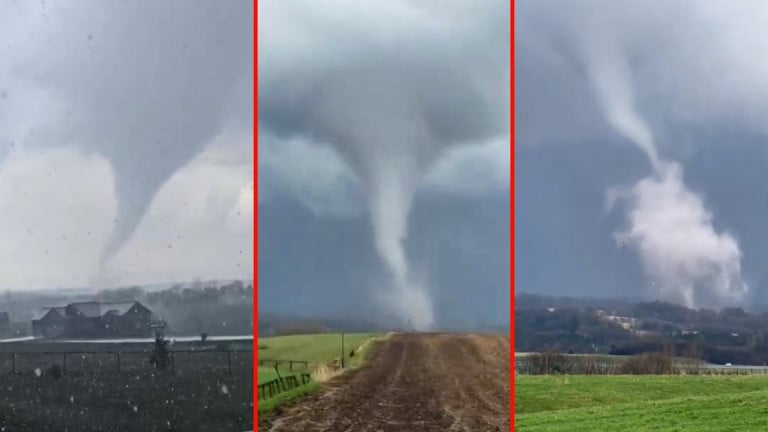
The central states of the United States have been hit by a powerful series of storms. Minnesota, Wisconsin, Illinois, and Missouri were the hardest affected.
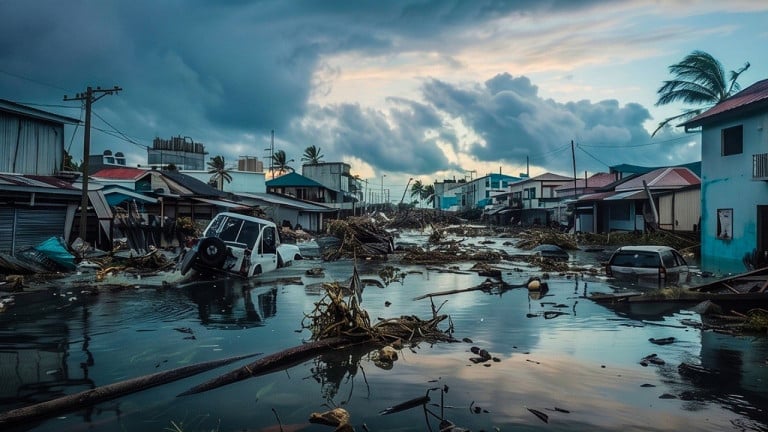
Super Typhoon Sinlaku became one of the most powerful and at the same time anomalous tropical cyclones in the western part of the Pacific Ocean. It formed over the waters of Micronesia as an ordinary thunderstorm system, but then began to develop at an unusually high ra...
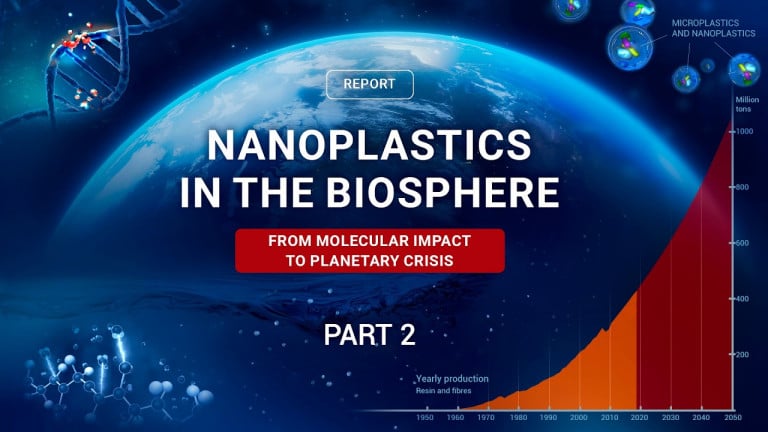
Plastics do not decompose. Hence, they don't disappear without a trace. Over time, they transform into micro- and nanoparticles that become part of the environment. Consequently, plastic pollution takes on a new dimension: it's no longer just visible garbage, but a fact...
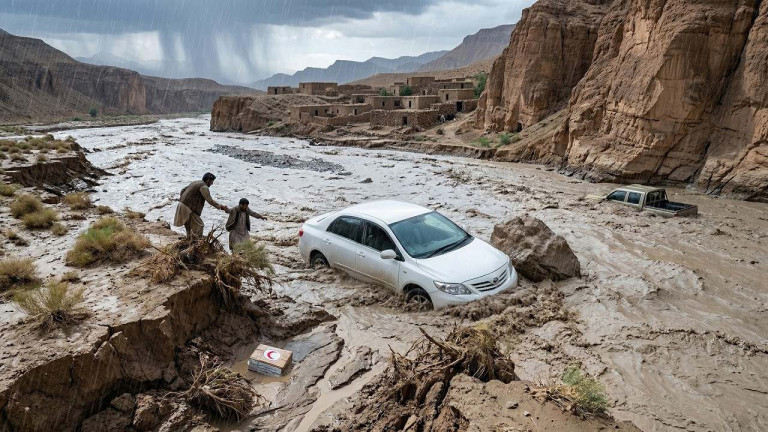
Heavy rainfall that began on March 26 triggered devastating floods across 25 of Afghanistan’s 34 provinces.
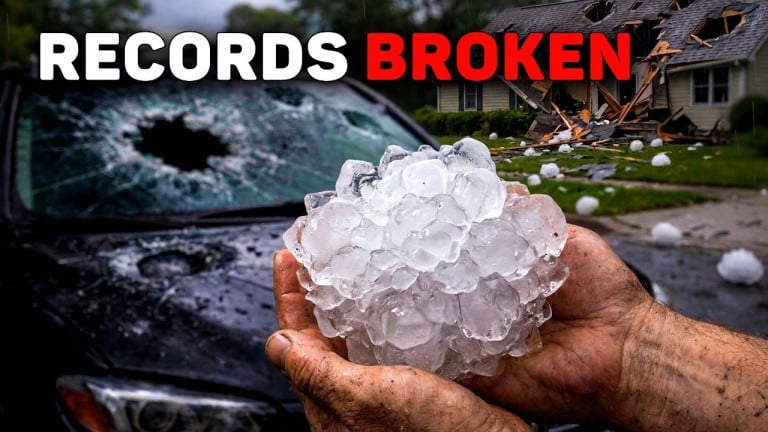
Simultaneous natural disasters across different continents. Winter returned to Europe in April, bringing three-meter snowdrifts to Italy. The Greek island of Crete was hit by a powerful dust storm from the Sahara. Argentina and the United States experienced hailstorms w...

Confidentiality Agreement
User Agreement
'Materials posted on allatra.tv website are for informational and discussion purposes only. For more details, please visit the “Disclaimer” page.