Science
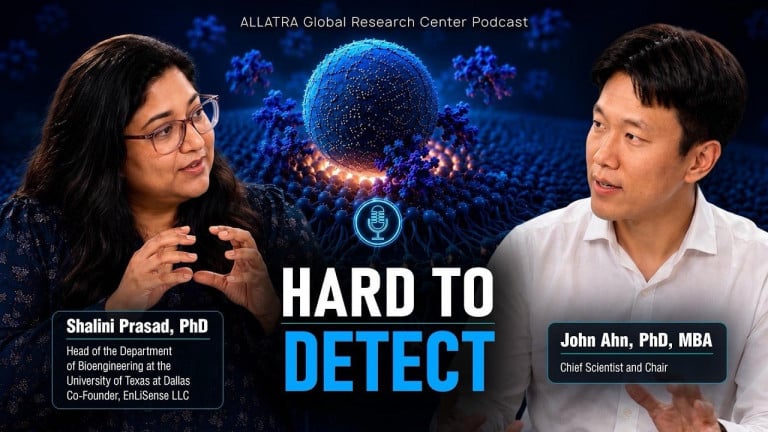
Detecting micro- and nanoplastics is one of the greatest scientific challenges in environmental and biomedical research. As these particles become smaller, they become increasingly difficult to identify, measure, and distinguish within complex biological and environment...
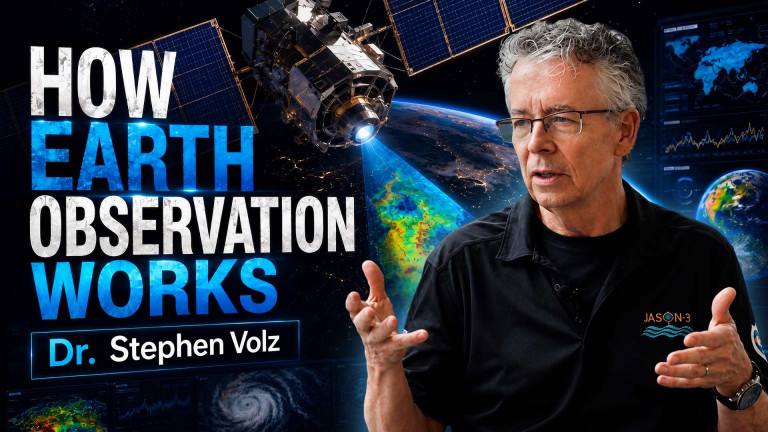
Every weather forecast begins long before an icon appears on your phone. Behind each prediction lies a vast global system of satellites, sensors, data centers, supercomputers, and decades of scientific research working together to observe our living planet.
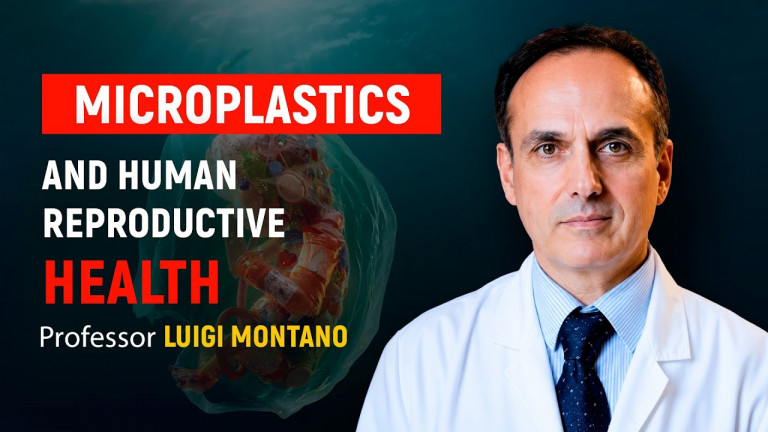
In this exclusive interview with ALLATRA Italy, Professor Luigi Montano – uro-andrologist at the Salerno Local Health Authority (ASL), Head of the Environmental Pathology and Lifestyle Medicine Unit in Uro-Andrology at the San Francesco d'Assisi Hospital, Coordinator of...
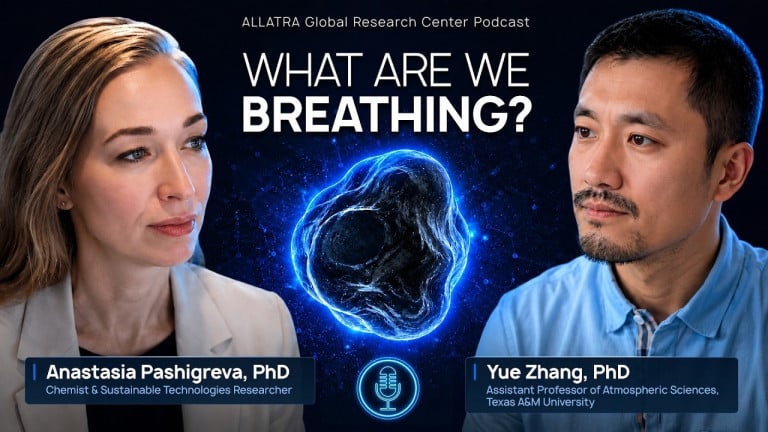
The atmosphere is one of Earth's most dynamic and least visible systems. Alongside gases that sustain life, it carries microscopic particles that affect air quality and transport pollutants, including micro- and nanoplastics.
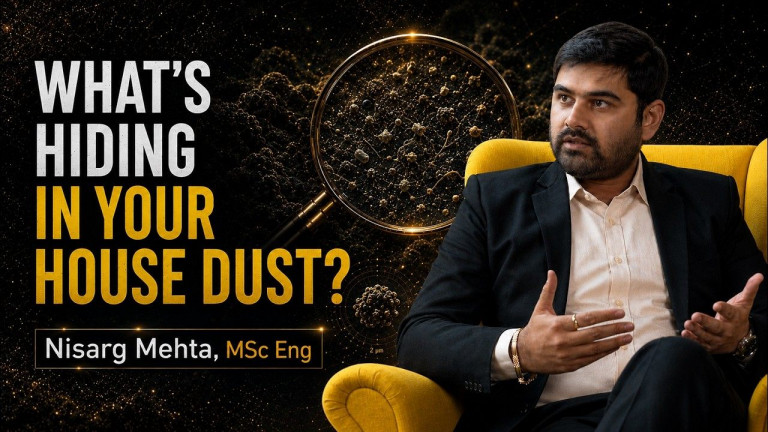
Microplastics are most commonly associated with oceans, rivers, and marine ecosystems. But what happens indoors — where people spend most of their lives?
What happens to plastic waste when it becomes invisible?
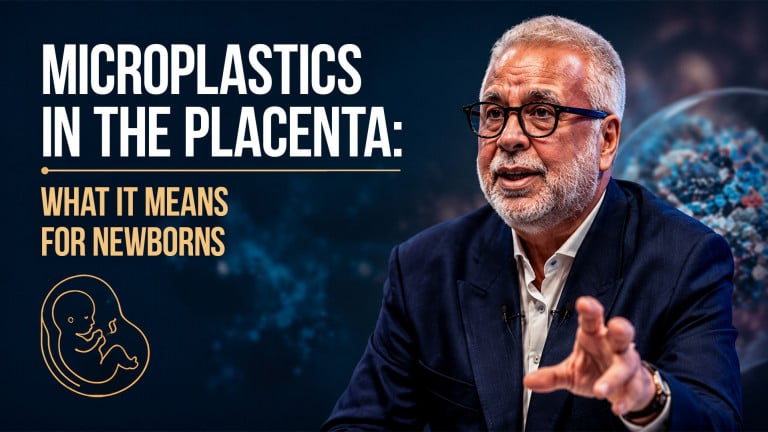
Professor Antonio Ragusa is an obstetrician-gynecologist and one of the pioneering researchers to detect micro- and nanoplastics in the human placenta and breast milk.
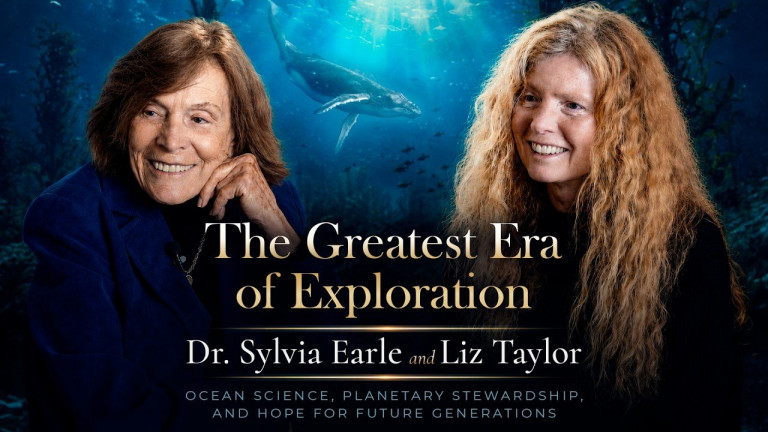
This inspiring interview brings together two extraordinary voices in ocean exploration and planetary stewardship: Dr. Sylvia Earle, legendary oceanographer, explorer, founder of Mission Blue, and one of the world’s most influential advocates for the protection of the li...
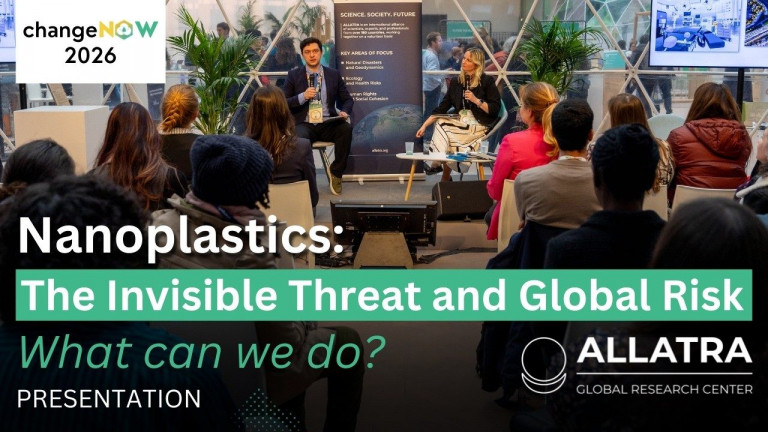
ChangeNOW 2026 is one of the world's largest international platforms, bringing together representatives from science, politics, business, and civil society to address the most pressing global challenges. This year, the "solutions for the planet" summit gathered approxim...
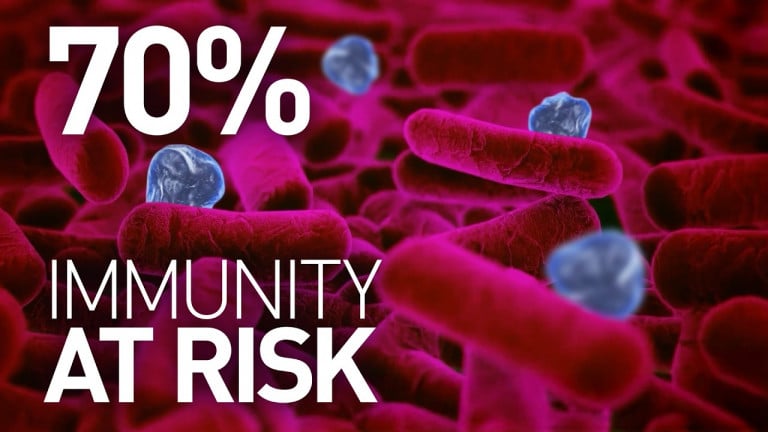
Did you know that around 70% of the body’s immune cells are concentrated in the gut? In this video, we explore how micro- and nanoplastics affect the body’s biological barriers and the human microbiota.
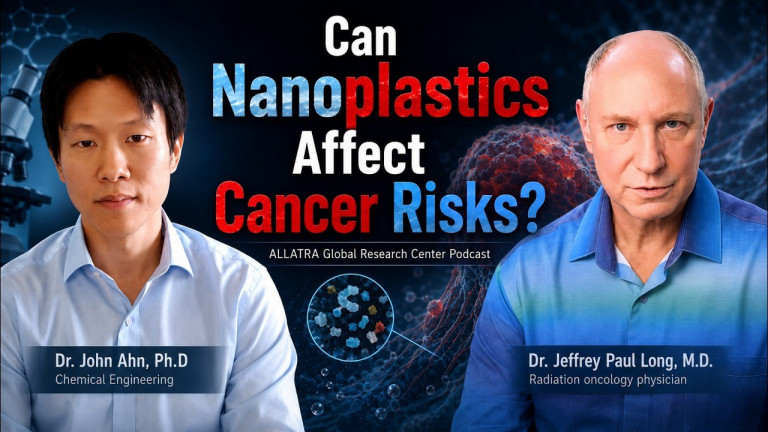
Micro- and nanoplastics are no longer just an environmental issue; they are becoming a human health issue.
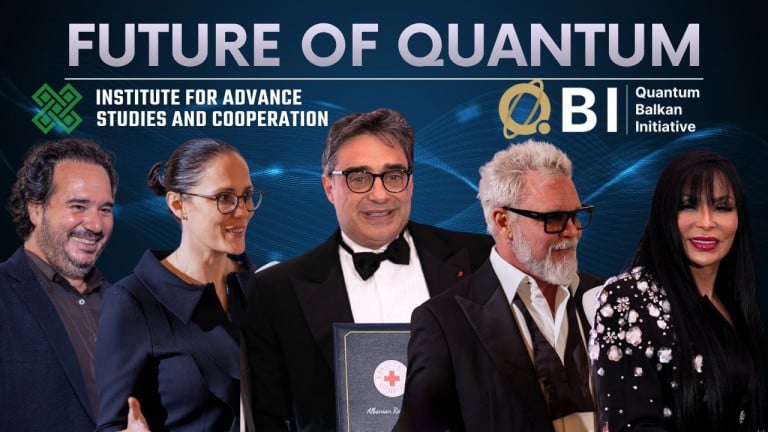
"Tonight, you are not watching the future. You are creating it."
On April 24, 2026, in Tirana, Albania, the Quantum Balkan Initiative (QBI) was launched — a regional alliance founded on a simple conviction: that the quantum era will be defined not by the technology its...

Following the conference “Nanoplastics: Hidden Connections and Emerging Risks,” Pastor Burns shares his reflections as a representative of Spiritual Diplomacy.
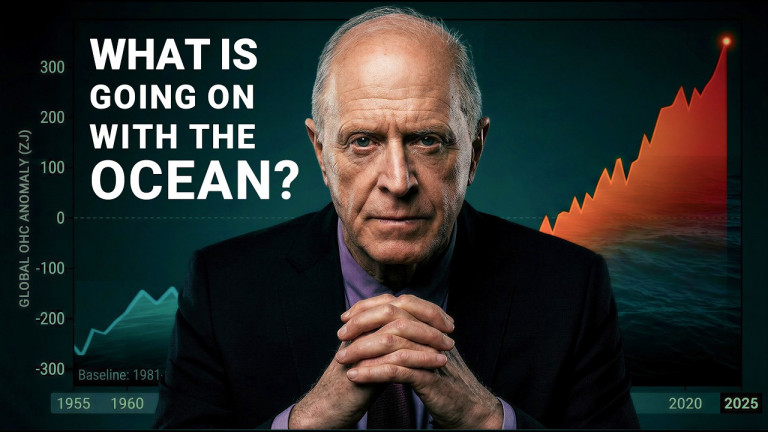
In his new video address, Dr. Egon Cholakian examines rapid ocean warming — a phenomenon that is becoming one of the primary catalysts of global climate instability. He draws attention to the fact that behind seemingly isolated weather anomalies may lie a fundamental up...
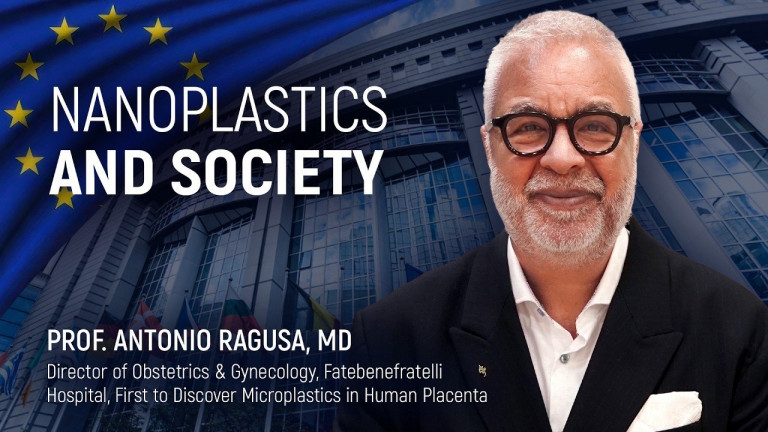
As part of the conference "Nanoplastics: Hidden Connections and Emerging Risks," which took place at the European Parliament in Brussels and was organized with the support of Member of the European Parliament Ondřej Knotek in cooperation with the ALLATRA Global Research...
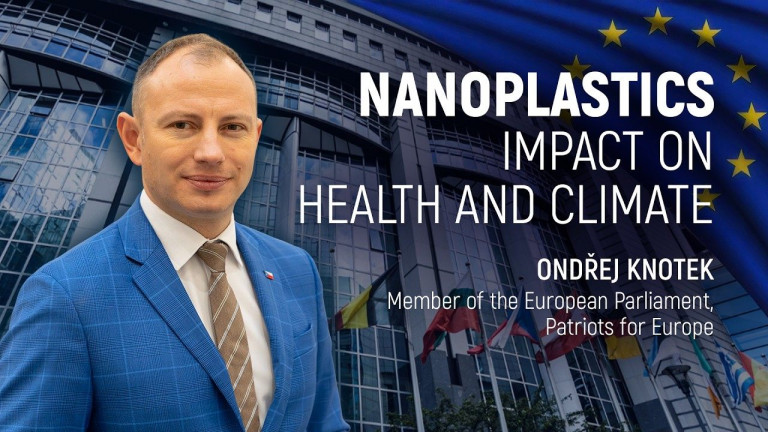
Nanoplastics are now found in the air, water, food, and even the human body. What impacts could they have on health and climate stability?
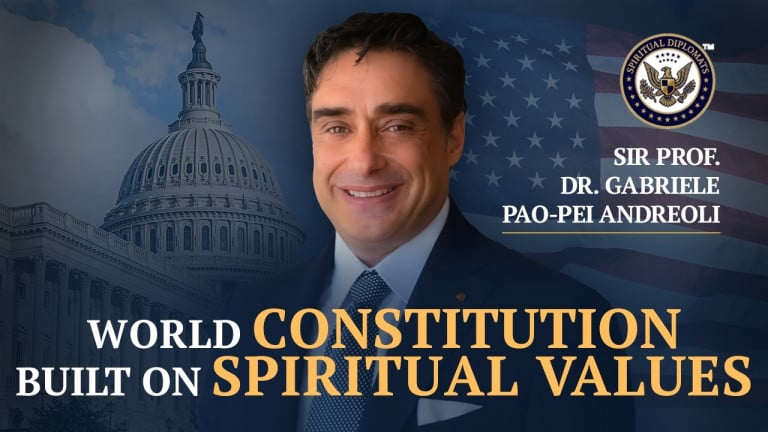
Inside the U.S. Capitol Complex at the “United in Liberty: The Rise of Spiritual Diplomats” conference, Sir Professor Dr. Gabriele Pao-Pei Andreoli delivers a visionary message: spiritual diplomacy and ethical values guard emerging technologies - from AI to quantum encr...
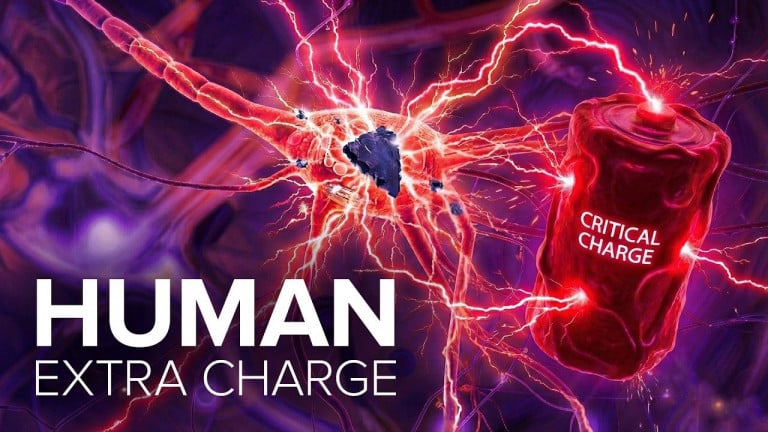
Did you know that plastic is not just inert waste, but an active, electrically charged material? In this video, we reveal the unique physicochemical properties of micro- and nanoplastics that determine their profound impact on the biosphere.
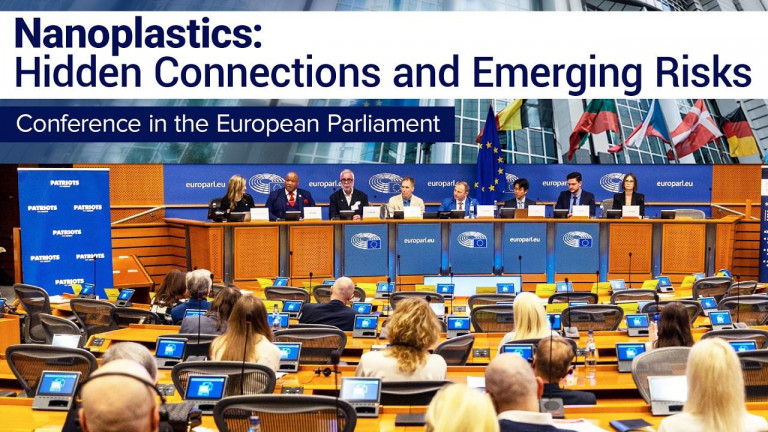
Recording of the conference at the European Parliament in Brussels
On February 24, 2026, an international expert conference titled “Nanoplastics: Hidden Connections and Emerging Risks” was held in Brussels, Belgium. The conference was dedicated to the issue of micro- a...
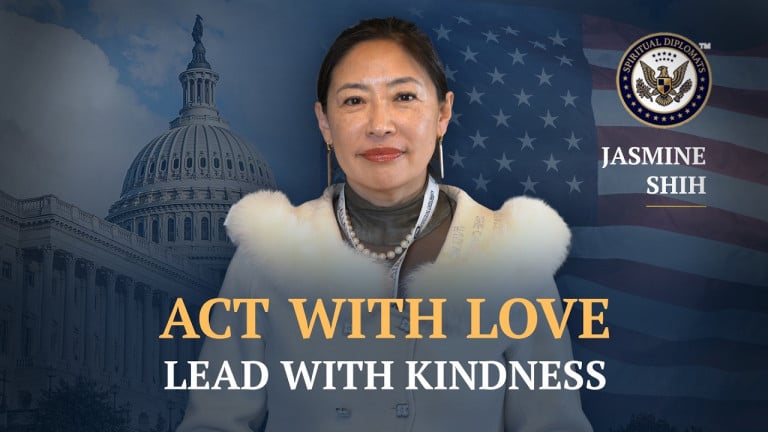
Inside the United States Capitol Complex, global leaders convened for “United in Liberty: The Rise of Spiritual Diplomats”, led by Mark Burns. More than a conference, it was a strategic gathering at the intersection of faith, diplomacy, and technological innovation focu...

Privacy Policy
Terms of Use
'Materials posted on allatra.tv website are for informational and discussion purposes only. For more details, please visit the “Disclaimer” page.